

THE NEED
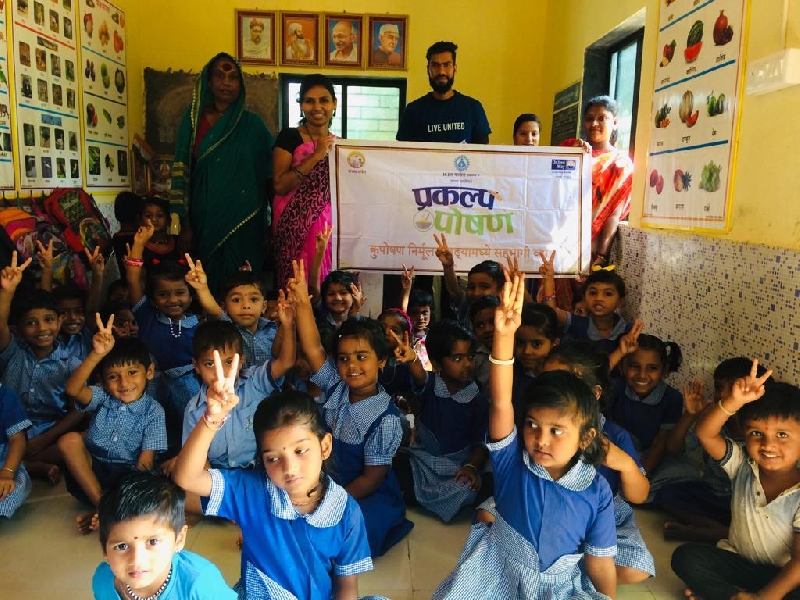
United Way Mumbai’s Poshan programme addresses child malnutrition through sustained, community-based interventions that combine direct nutritional support, preventive healthcare and capacity building.
Malnutrition remains one of the most serious threats to child survival and development in India. Poshan works across vulnerable communities to identify at-risk children, support treatment and prevention efforts, and strengthen systems that enable long-term nutritional well-being.
In India, malnutrition is the primary reason behind 69% of deaths in children under five years of age. UNICEF’s State of the World’s Children report highlighted that every second child in this age group is affected by some form of malnutrition.
The consequences of malnutrition in childhood are severe and long lasting. It increases the likelihood of premature death and susceptibility to disease. It impairs cognitive development, academic performance and physical capacity, and has lasting negative impacts on brain and nerve development.
These early disadvantages often continue into adulthood, limiting educational attainment and livelihood opportunities.
These early disadvantages often continue into adulthood, limiting educational attainment and livelihood opportunities.
Eliminating and preventing malnutrition requires sustained engagement that addresses both immediate nutritional deficiencies and the broader health and social factors that contribute to undernutrition.
SOLUTION
Recognising that successful elimination and prevention of malnutrition requires a multi-factorial and sustained response, Project Poshan adopts a comprehensive community-based strategy.
Corporates and individual donors can strengthen child survival and development outcomes by supporting:
- Nutritional interventions for undernourished children
- Community-based management of acute malnutrition
- Preventive health and immunisation access
- Maternal awareness and household-level nutrition practices
- Capacity building of frontline health workers
United Way Mumbai ensures structured implementation, close monitoring and transparent reporting to drive measurable improvements in child nutrition outcomes.
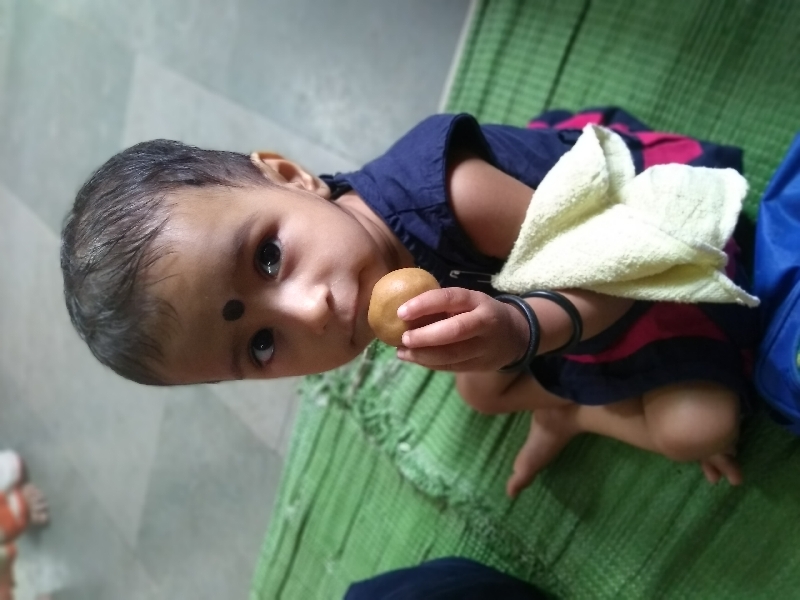
- The programme provides complementary feeding to children identified as Severely Acute Malnourished (SAM), Moderately Acute Malnourished (MAM) and borderline undernourished.
- Community Based Management of Acute Malnourishment (CMAM) is implemented as an outpatient treatment approach for SAM children, actively involving parents and community members in recovery processes.
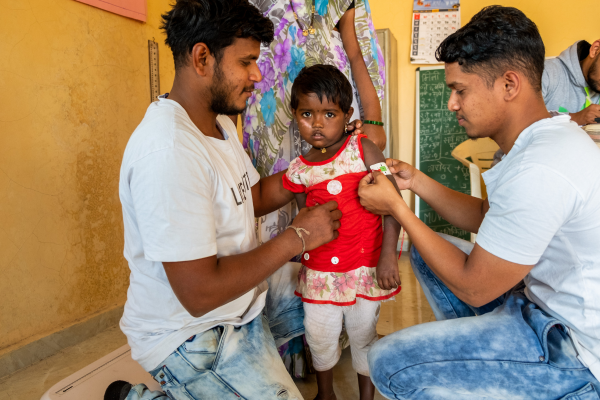
- Monthly growth monitoring is conducted to track children’s nutritional status and ensure timely intervention. The programme also enables access to primary healthcare services, including full immunisation and helping prevent common childhood infections that often result in malnutrition.
- Community Based Management of Acute Malnourishment (CMAM) is implemented as an outpatient treatment approach for SAM children, actively involving parents and community members in recovery processes.
- Monthly growth monitoring is conducted to track children’s nutritional status and ensure timely intervention. The programme also enables access to primary healthcare services, including full immunisation and helping prevent common childhood infections that often result in malnutrition.
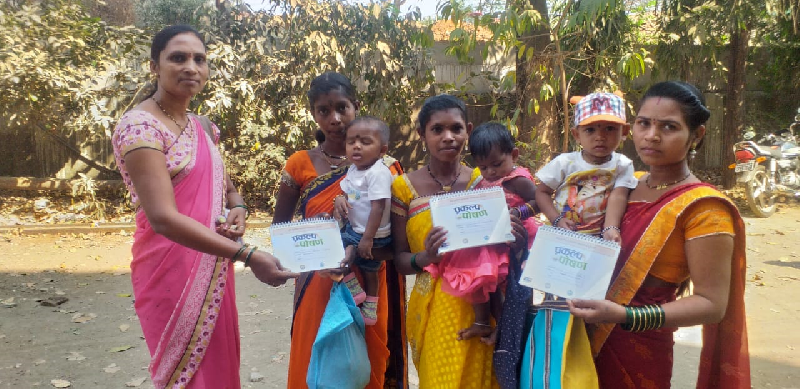
- Preventive efforts focus on early identification and maternal health. The programme maps and identifies pregnant women and women of childbearing age, while promoting institutional deliveries to reduce maternal and infant risk.
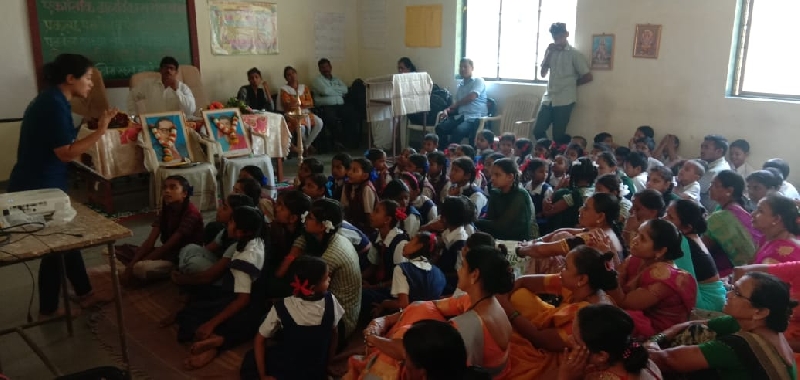
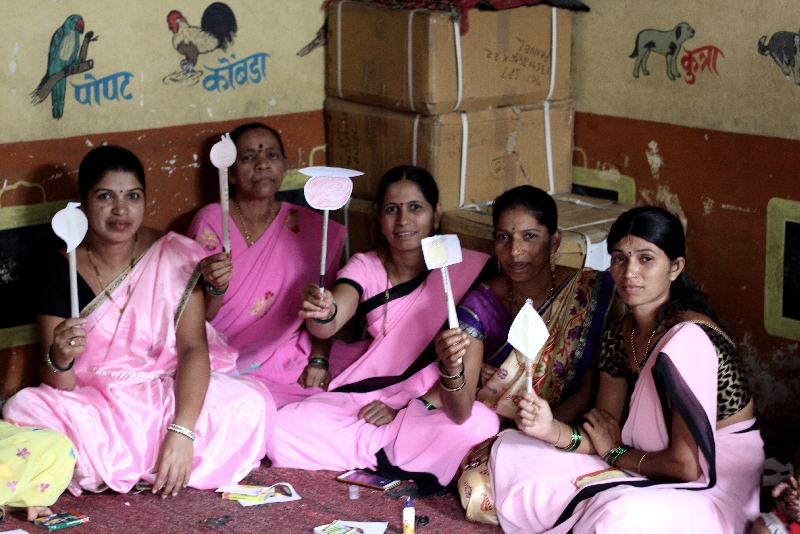
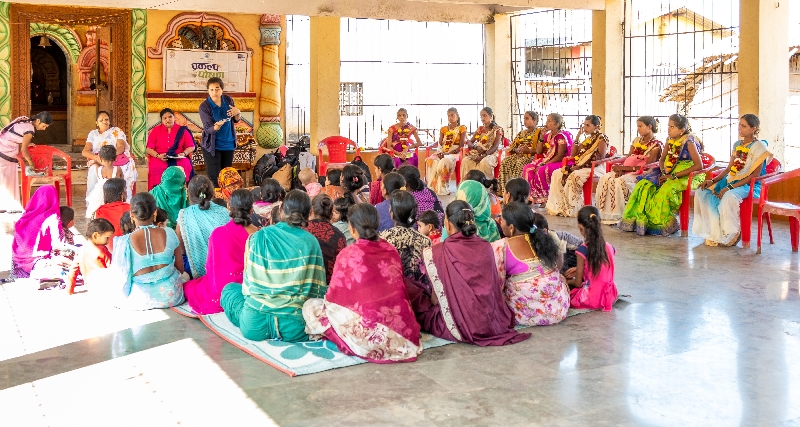
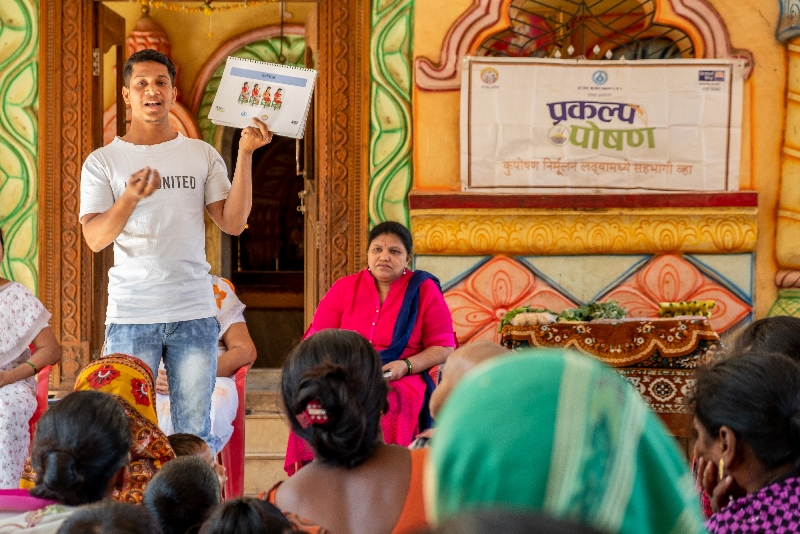
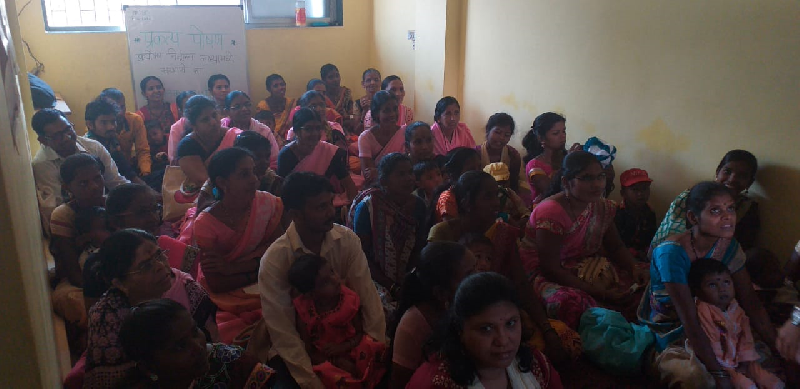
- Community education sessions address key topics such as breastfeeding practices, health and hygiene, safe cooking methods, anaemia prevention and menstrual hygiene. These sessions are conducted through group meetings as well as one-on-one interactions.
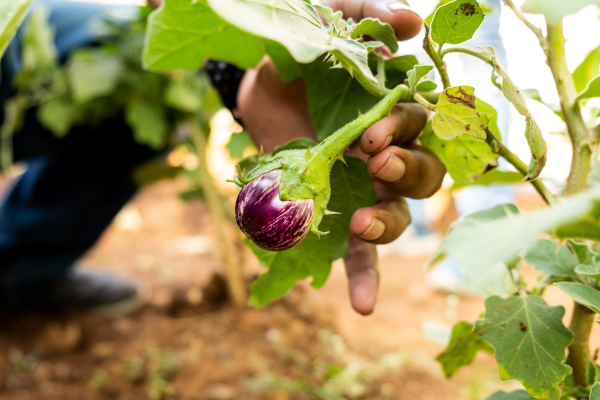
- To combat food insecurity, kitchen gardens are established at Anganwadi centres and at the household level, enabling families to access nutritious food locally and sustainably.
- Community education sessions address key topics such as breastfeeding practices, health and hygiene, safe cooking methods, anaemia prevention and menstrual hygiene. These sessions are conducted through group meetings as well as one-on-one interactions.
- To combat food insecurity, kitchen gardens are established at Anganwadi centres and at the household level, enabling families to access nutritious food locally and sustainably.
- Sustainability is strengthened through the formation and training of Village Child Development Committees (VCDCs), which monitor and support children’s development at the community level.
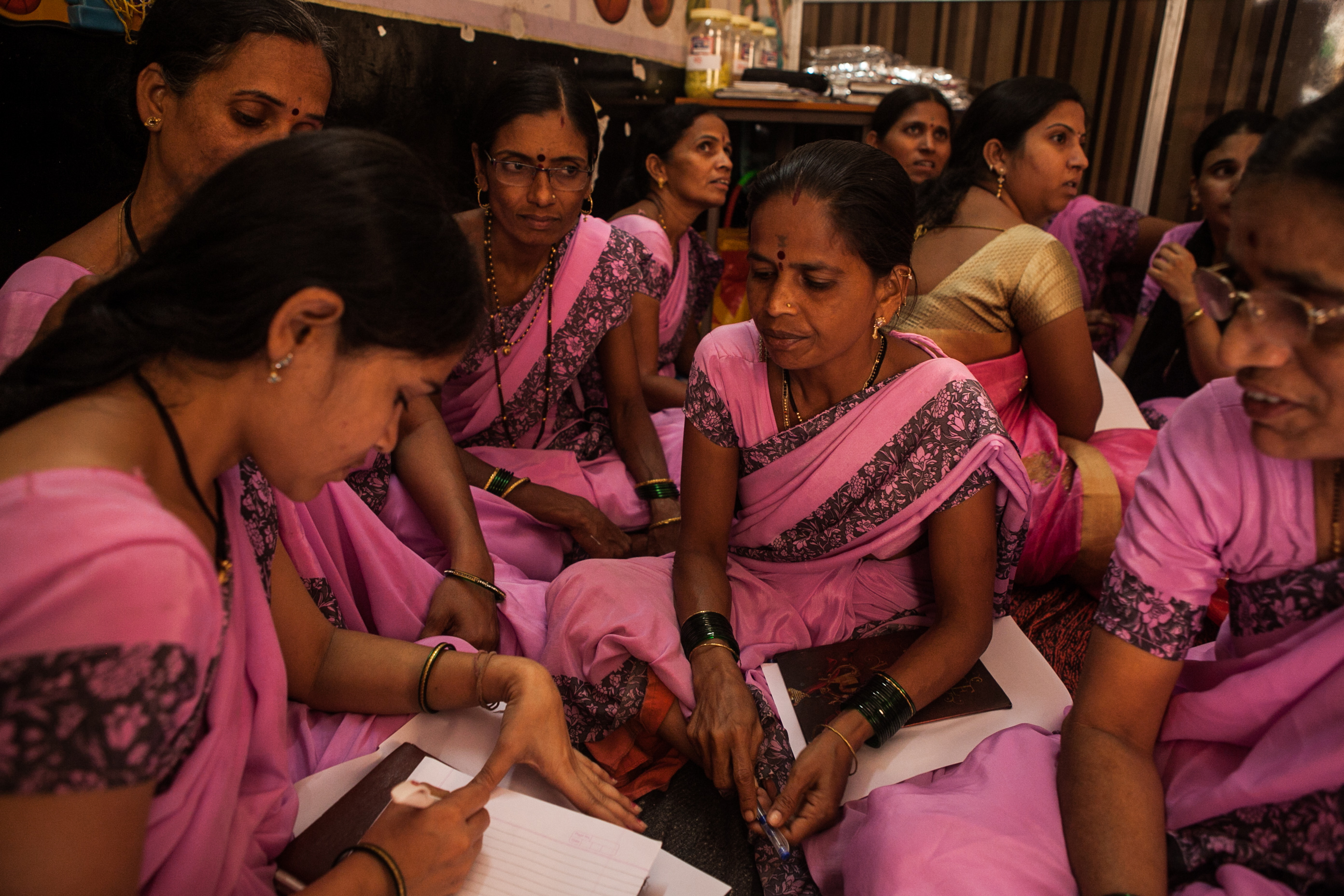
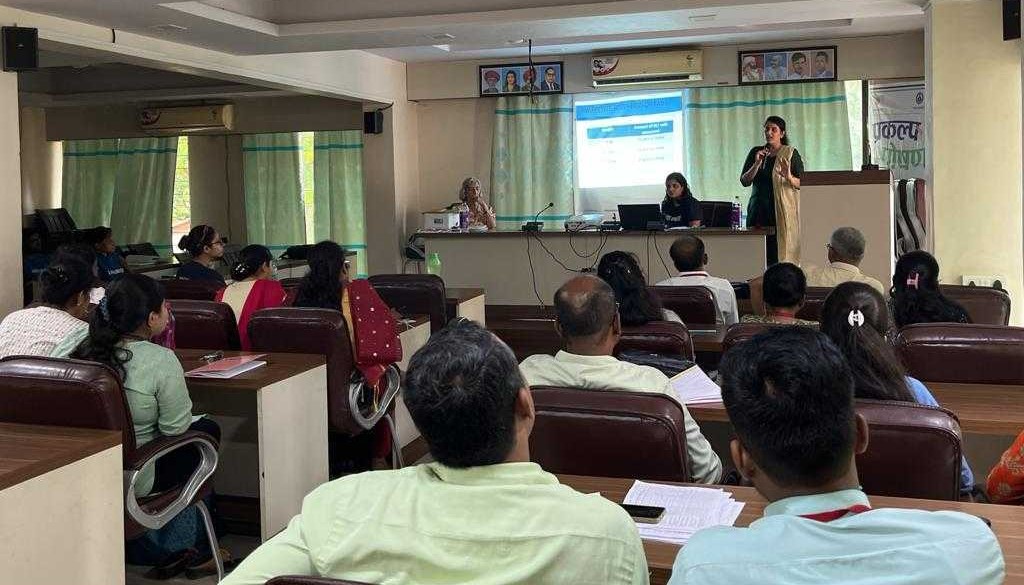
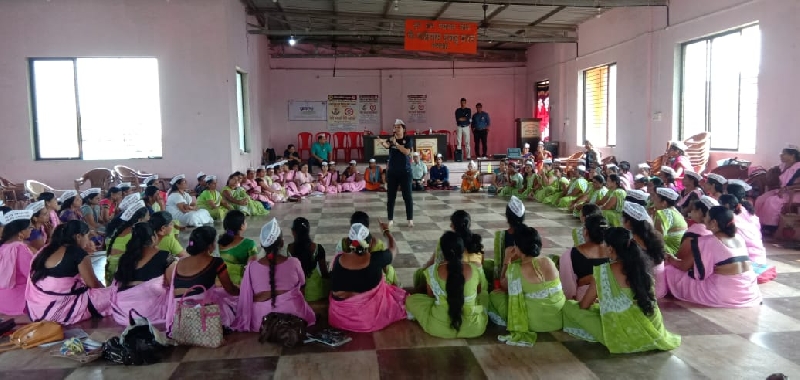
- The programme engages community members to help them access benefits under relevant government schemes and welfare projects. Additionally, healthcare workers receive capacity building support to enhance their understanding of nutrition, risk factors, low-cost healthy food options and home-based techniques to improve nutritional outcomes.
- The programme engages community members to help them access benefits under relevant government schemes and welfare projects. Additionally, healthcare workers receive capacity building support to enhance their understanding of nutrition, risk factors, low-cost healthy food options and home-based techniques to improve nutritional outcomes.
.png)
.JPG)