
THE NEED
Rapid urbanisation has significantly reduced green cover in cities, impacting air quality, biodiversity, and climate resilience. Urban afforestation is no longer just an environmental initiative — it is critical to building healthier, more liveable, and climate-resilient cities.
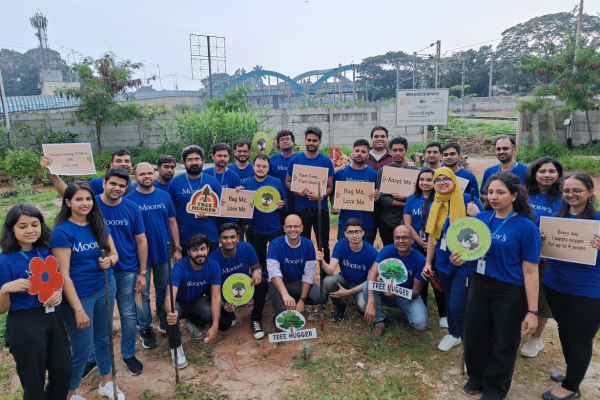
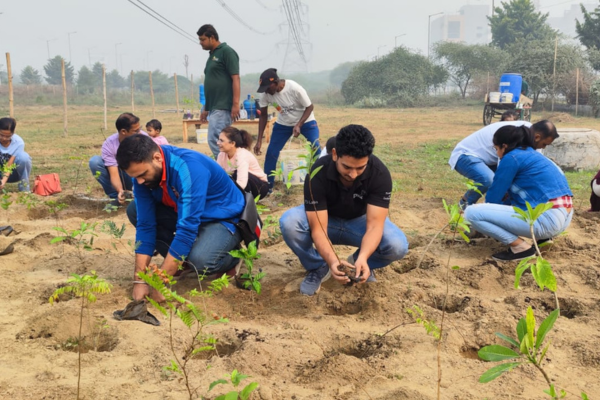
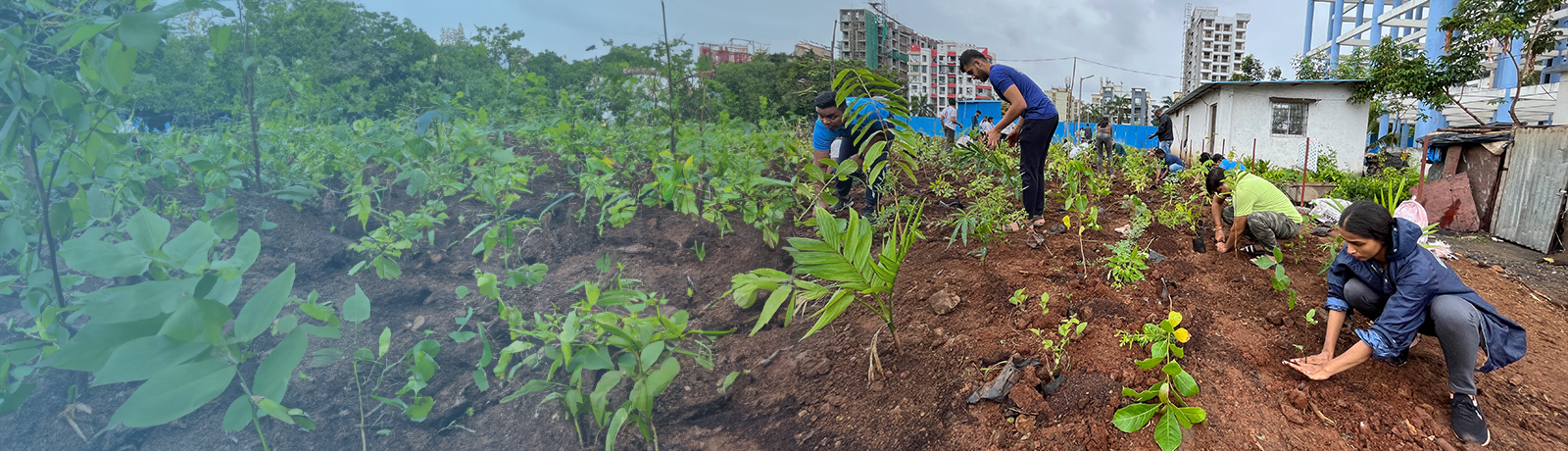
United Way Mumbai’s Urban Afforestation initiative focuses on creating dense, native, and self-sustaining urban forests that improve ecological balance while delivering long-term environmental and community benefits.
Forests play a vital role in maintaining ecological balance, regulating climate, and supporting biodiversity. However, India’s current forest and tree cover stands at approximately 24.5% of its geographical area, significantly below the national target of 33%.
Urban areas, in particular, continue to experience a steady decline in green cover due to infrastructure expansion, land-use change, and population pressures. Limited access to green spaces affects not only environmental health but also air quality, groundwater recharge, and overall quality of life.
With a growing gap in the recommended tree-to-human ratio, there is an urgent need for scalable, space-efficient afforestation models that can restore ecological balance within cities.
SOLUTION
United Way Mumbai implements context-specific afforestation strategies designed for urban environments, combining scientific planning, native species selection, and long-term maintenance to ensure sustainability.
By partnering with United Way Mumbai, organisations can support:
-
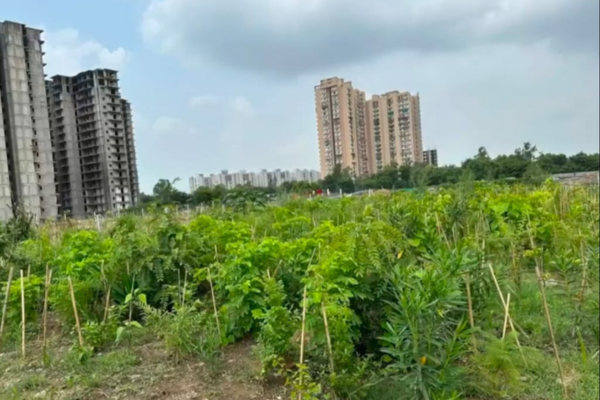
Create dense, self-sustaining urban forests in underserved areas
-
Improve air quality and reduce urban heat stress
-
Restore biodiversity and ecological balance
-
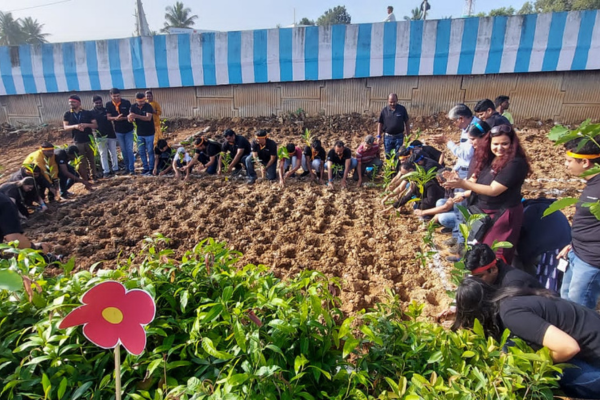
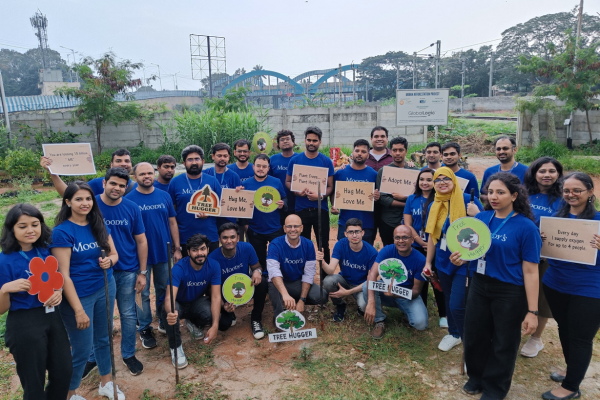
Enable community engagement and environmental stewardship
- Scale nature-based solutions for climate action
- Grow significantly faster than conventional plantations
- Support higher biodiversity through native species
- Improve carbon sequestration and air quality
- Require minimal maintenance once established
- Support biodiversity, including birds and pollinators
- Improve soil health and groundwater recharge
- Contribute to long-term carbon capture
- Enhance microclimates and reduce urban heat
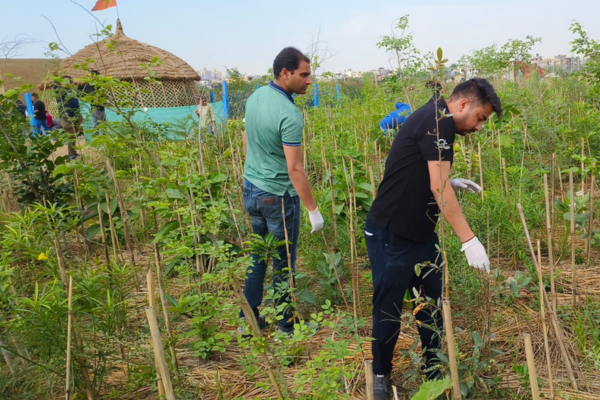
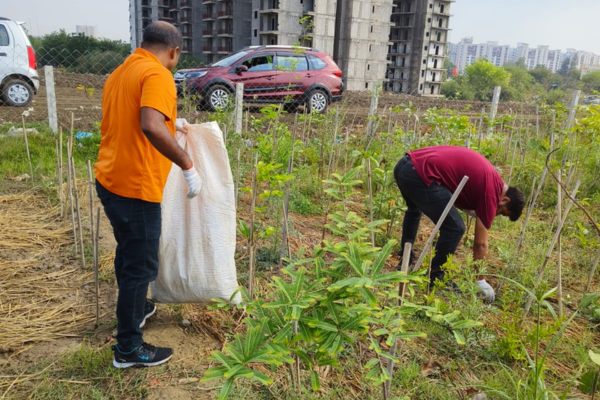
- Site assessment and land preparation to optimise soil conditions
- Soil testing and enrichment using organic inputs to improve fertility
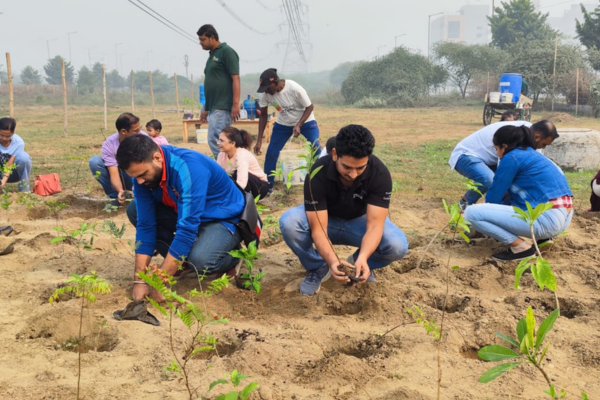
- Plantation of native, climate-resilient species suited to local ecosystems
- Mulching and irrigation systems to support early-stage growth
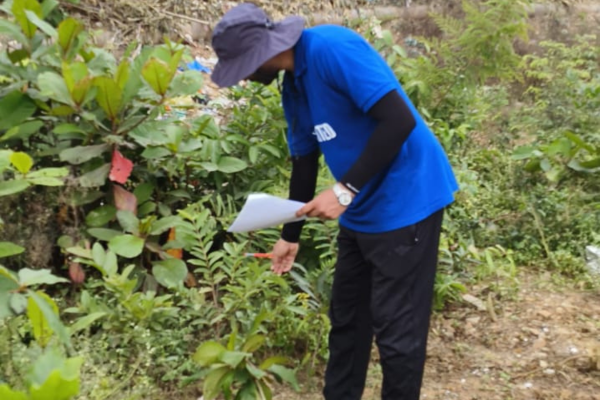
- Two-year maintenance cycle, after which forests become largely self-sustaining
This approach ensures that plantations evolve into thriving, self-sufficient urban forests, rather than short-term greening efforts.
.png)