

uwm_logo_new
TWO WHEELS ONE LIFE
OVERVIEW
UPDATES
GALLERY

THE NEED

India records one of the highest numbers of road crash fatalities globally, with two-wheeler riders representing a disproportionately large share of these deaths. Motorcycles and scooters remain the most common form of personal mobility across the country, particularly among young riders.

Recognising this challenge, United Way Mumbai’s Two Wheels One Life initiative focuses on improving two-wheeler road safety awareness and rider behaviour among youth, especially first-time riders.

Two Wheels One Life is part of United Way Mumbai’s broader road safety portfolio that promotes safer behaviour across different groups of road users, including youth, school children, and urban commuters.

According to the Global Status Report on Road Safety, road traffic crashes claim more than 1.25 million lives globally each year, with India accounting for a significant proportion of these fatalities.

Two-wheeler riders remain among the most vulnerable road users. Nearly one-third of road crash deaths in India involve motorcycles or scooters, highlighting the urgent need for targeted interventions.

Young riders are particularly at risk. Limited riding experience, lack of formal training, and insufficient understanding of traffic rules often contribute to unsafe riding behaviour.

While the licensing process focuses on eligibility, systematic rider training and behavioural awareness remain limited, leaving many new riders without the practical skills needed to navigate traffic safely.

Addressing this gap requires early intervention, practical training, and behaviour change programmes that reach riders before they begin commuting regularly.

SOLUTION

Two Wheels One Life focuses on preventive road safety education and practical rider training that equip young riders with the knowledge and awareness needed to adopt safer riding practices.

By partnering with United Way Mumbai, organisations can support evidence-based road safety programmes that reduce risk among young two-wheeler riders.


Your support can help:
  • Expand two-wheeler safety training programmes across colleges
  • Deploy mobile riding simulators to reach more youth
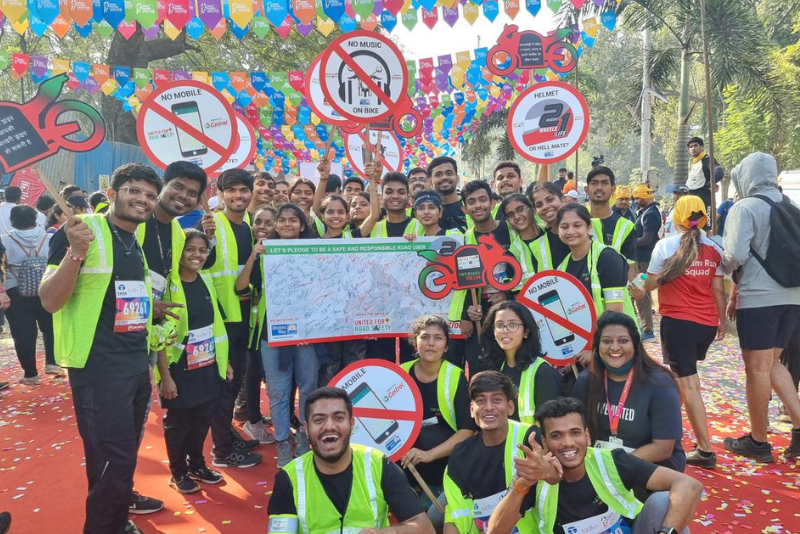
  • Strengthen youth engagement in road safety awareness
  • Promote responsible riding behaviour and accident prevention
Together, we can help ensure that every rider begins their journey on the road with the knowledge and responsibility needed to stay safe.

Our key interventions include:

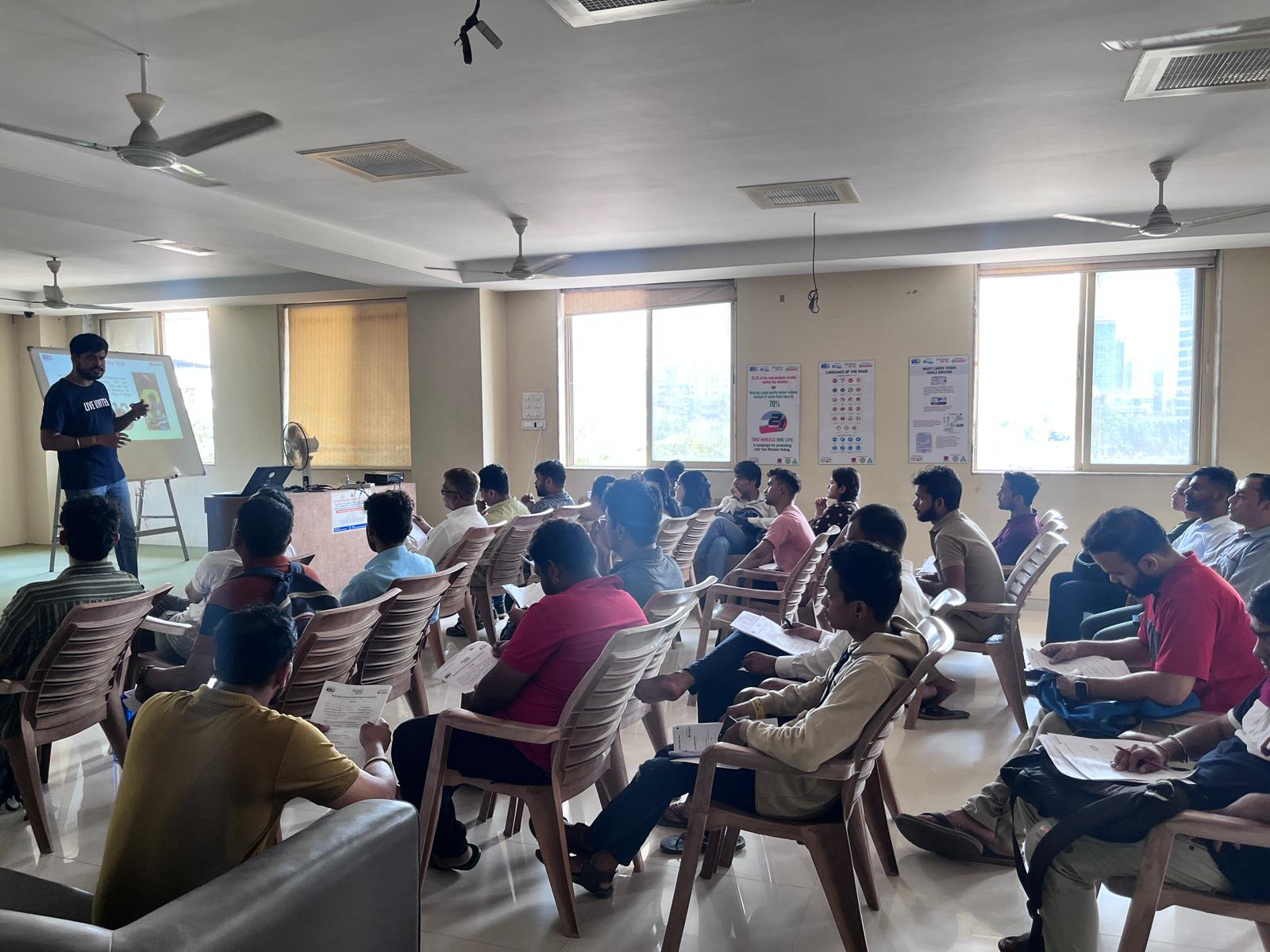
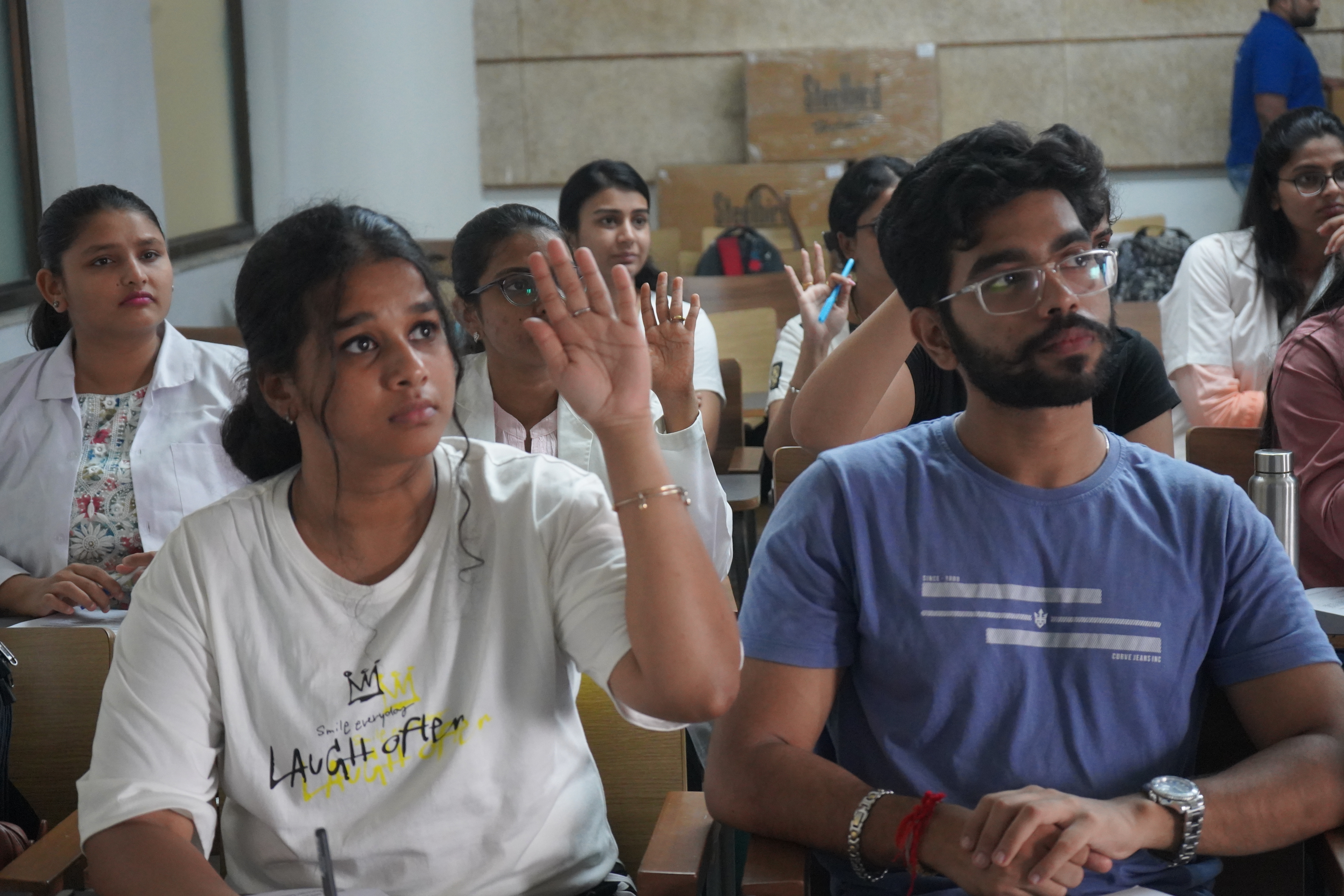
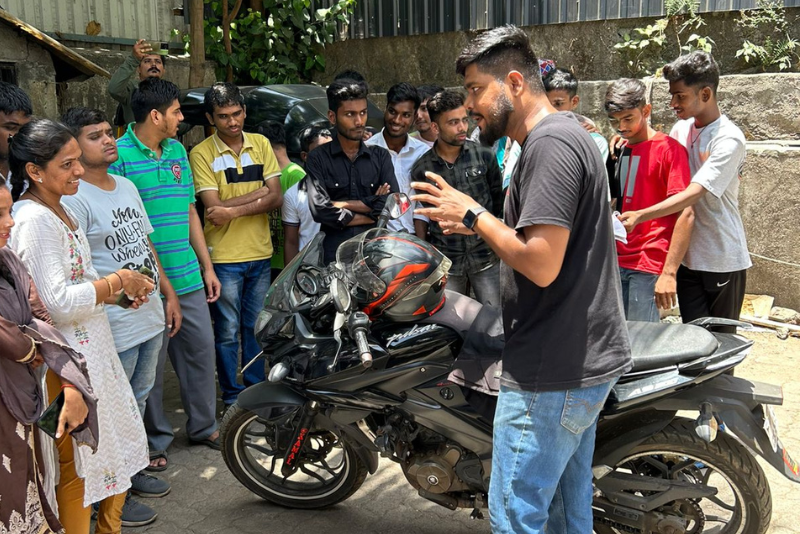
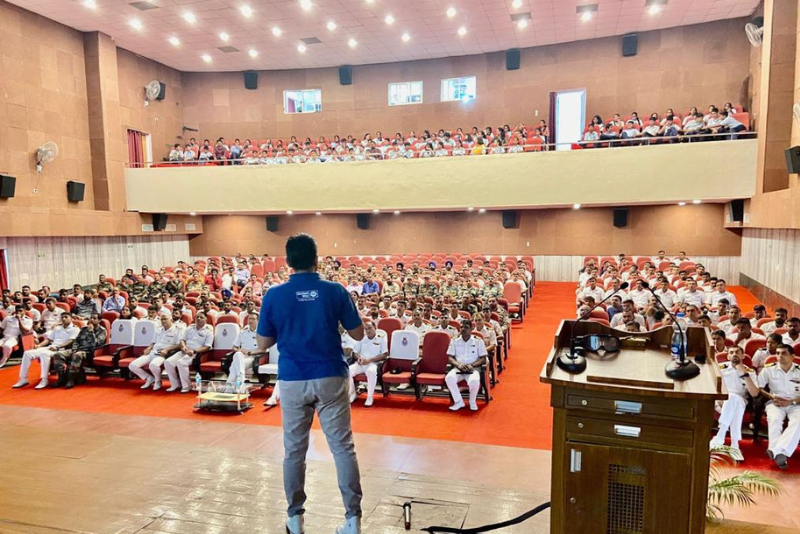
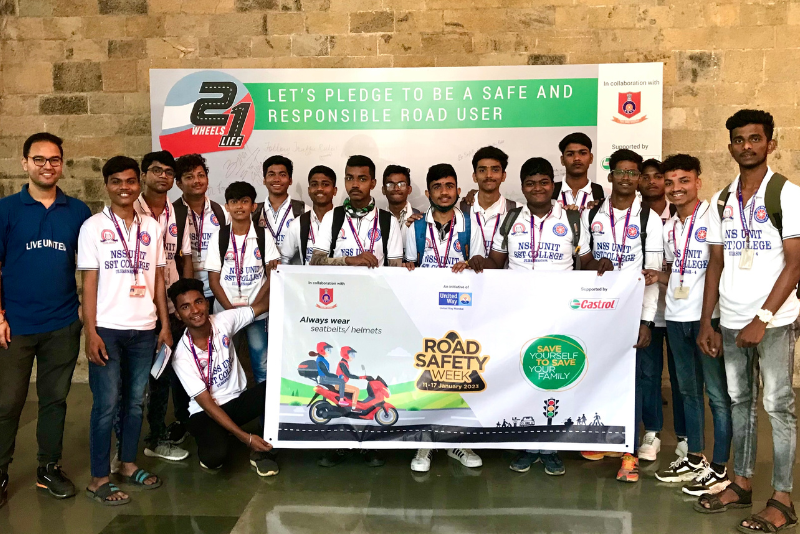
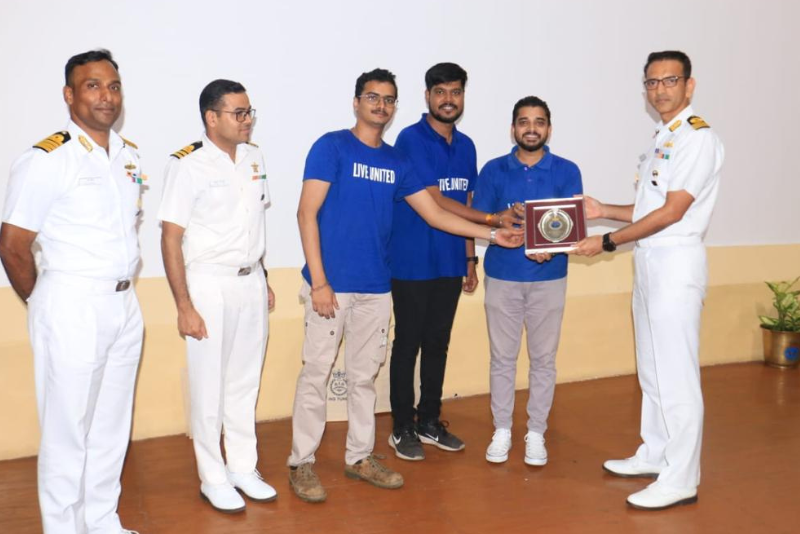
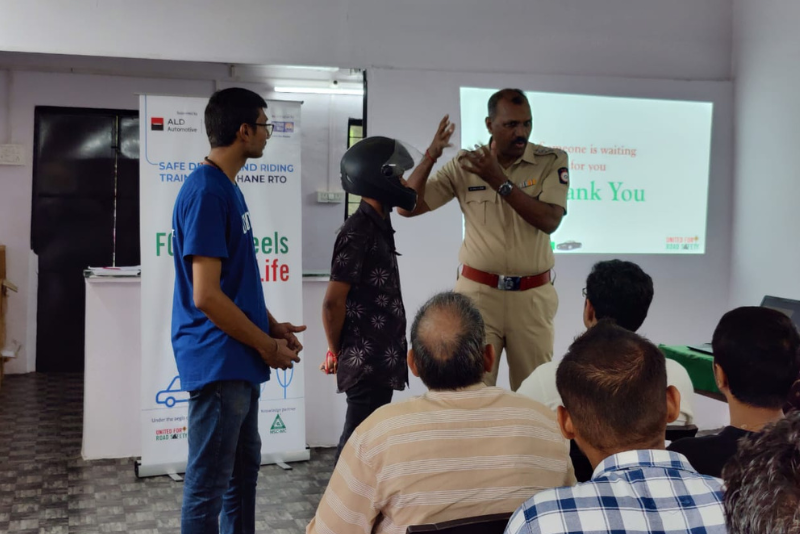
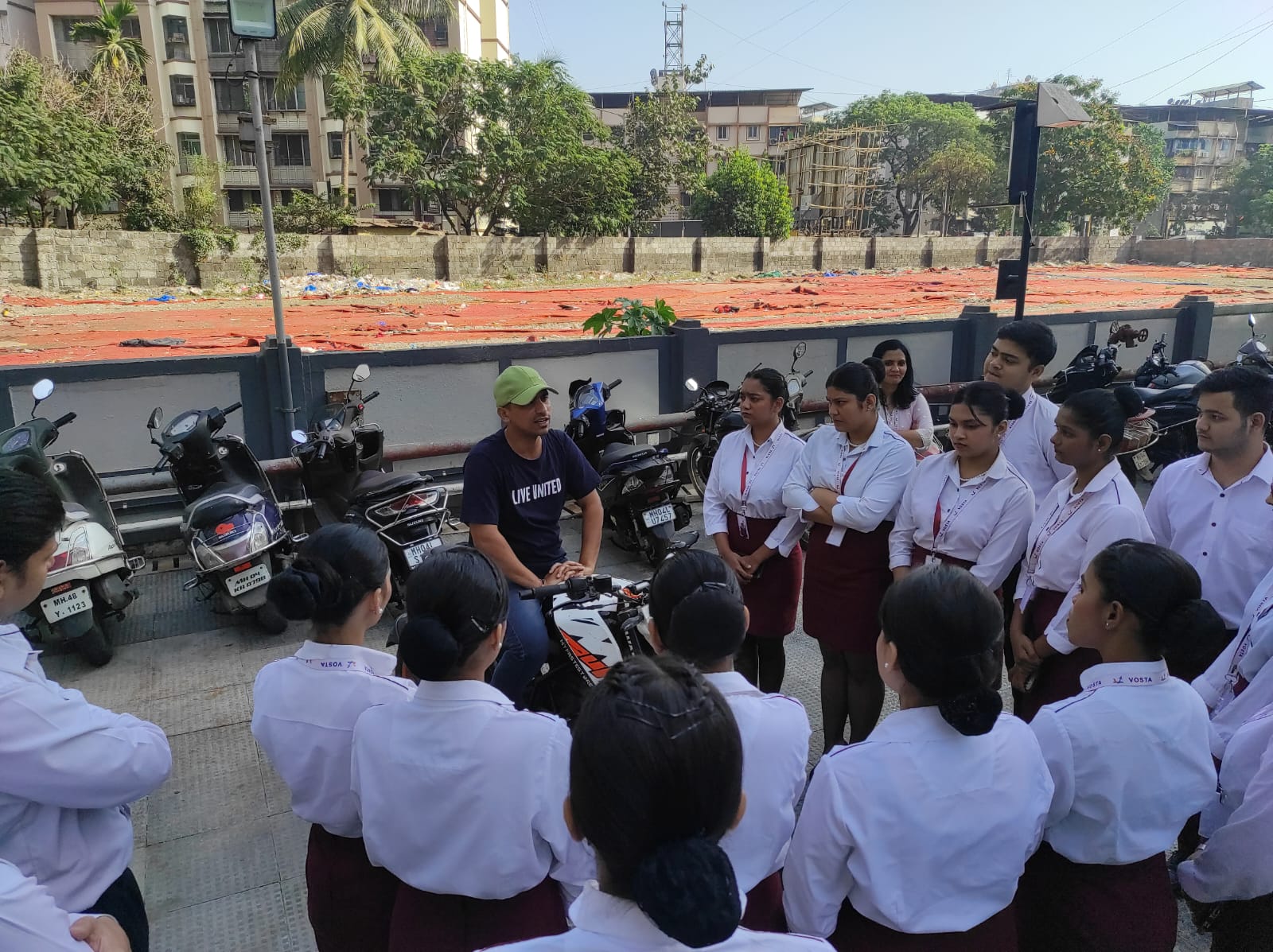
- The programme conducts structured training sessions for college students and young riders, combining theoretical learning with practical safety guidance.

- Participants are introduced to responsible motorcycle riding practices, including traffic rules, defensive riding techniques, helmet safety, and risk awareness. By engaging youth early, the programme aims to make safe riding behaviour aspirational and socially responsible.
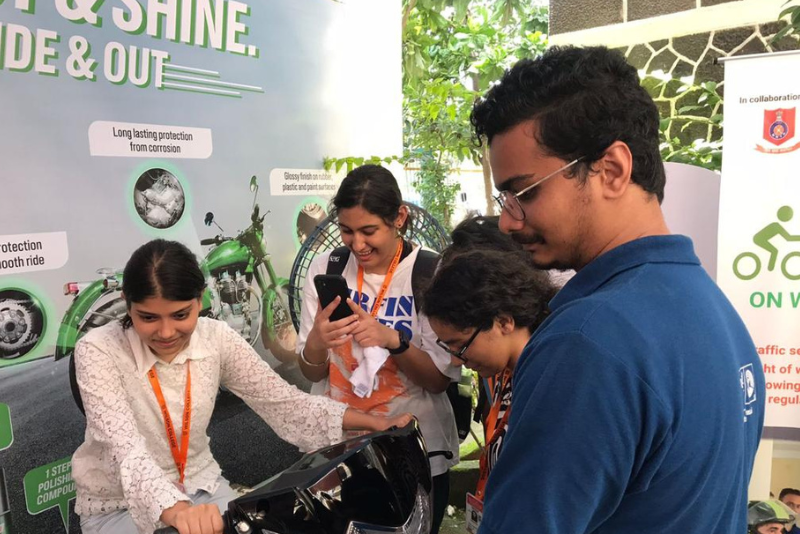
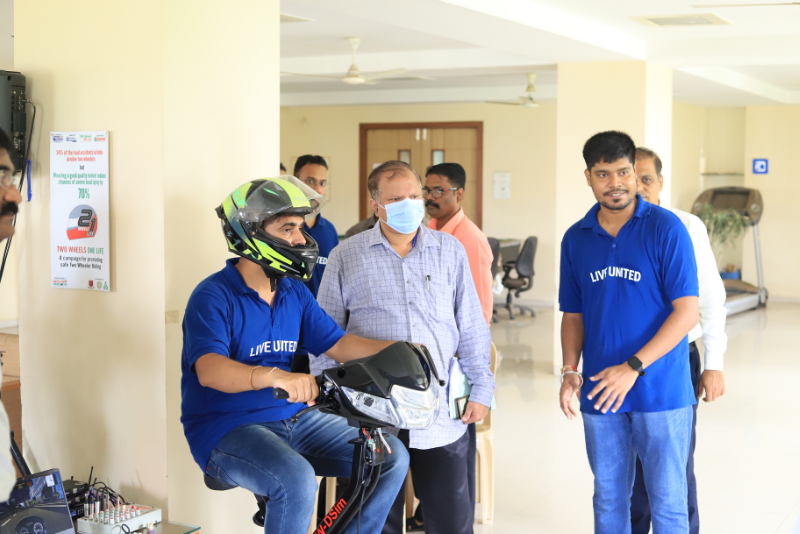
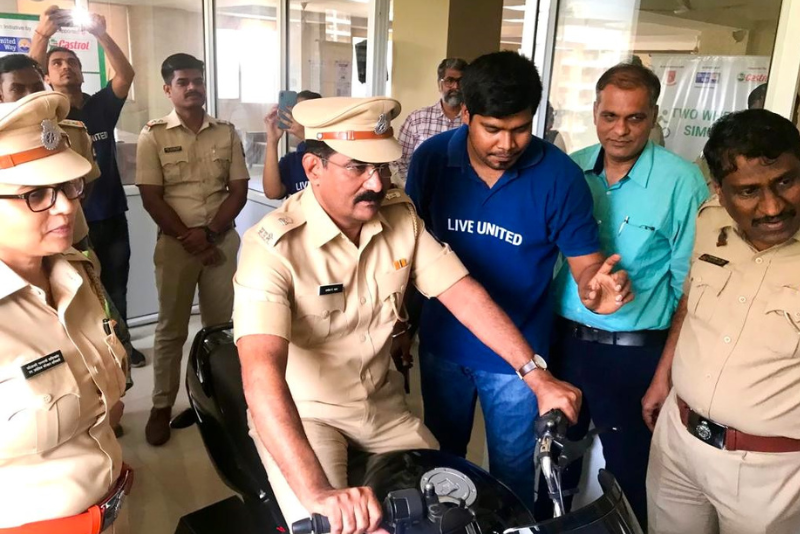
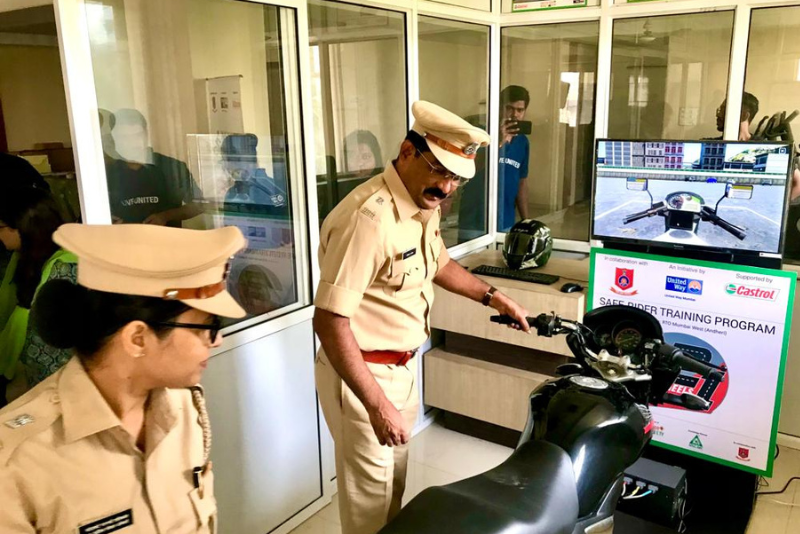
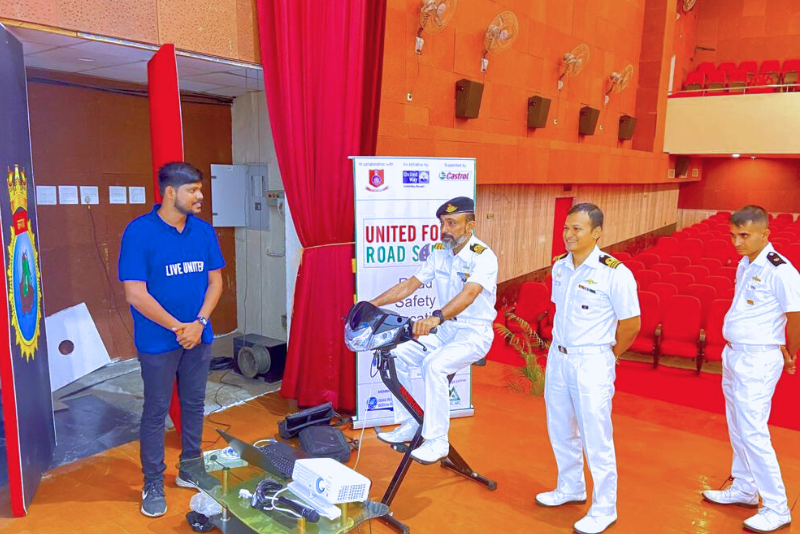
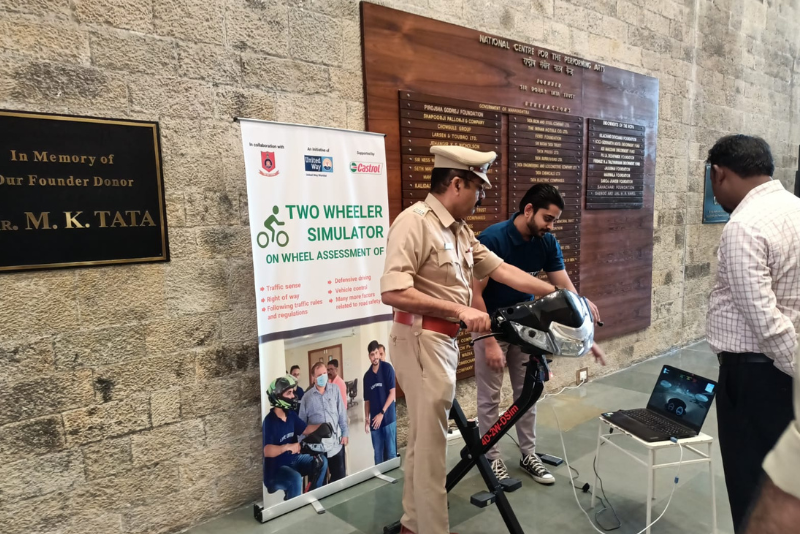
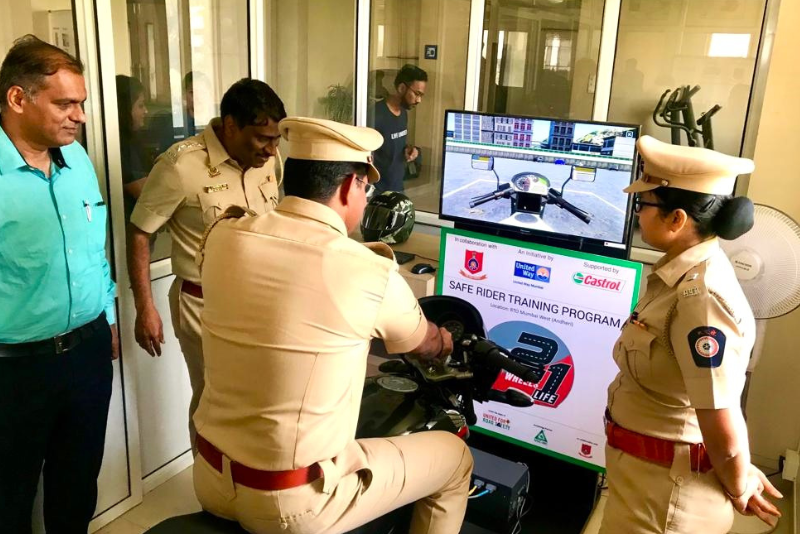
- To strengthen practical learning, the programme introduced India’s first mobile two-wheeler riding simulator for safety training.

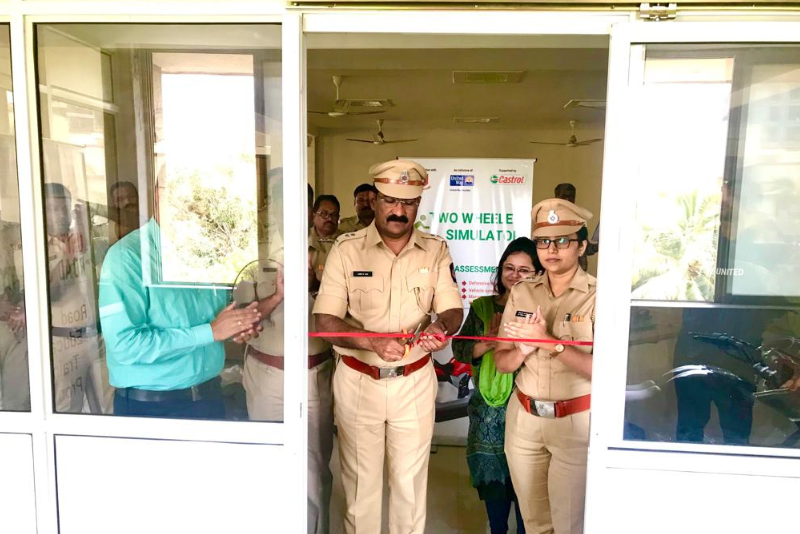
- The simulator is stationed at select Regional Transport Offices (RTOs) in Mumbai, allowing participants to experience simulated riding scenarios in a controlled environment. This enables riders to understand risks such as sudden braking, road obstacles, and traffic conditions without real-world danger. This is particularly valuable for learning license applicants.

- After completing the simulation, participants receive a printed assessment highlighting their riding strengths and skill gaps, helping them reflect on their behaviour and improve their safety awareness.
Road safety clubs are formed to create ownership, sustainability and continuous participation. These trained youth become ambassadors of road safety and help spread awareness amongst a larger population.
- The programme is implemented through strong collaborations with Traffic Police departments, Regional Transport Offices (RTOs), colleges, and youth organisations.

- These partnerships ensure that training aligns with road safety regulations and enforcement priorities, while expanding the programme’s reach among young riders who are about to begin using two-wheelers regularly.
0 supporters
LATEST CONTRIBUTORS
No contributions yet.

OUR IMPACT

0
Individuals sensitized for road safety

UPDATES


OVER 22,700 COLLEGE YOUTH EQUIPPED WITH 2-WHEELER SAFETY TRAINING NATIONWIDE
Through interactive and hands-on sessions, 22,700 young riders have gained crucial insights into defensive driving techniques and safe riding practices. It fostered a culture of road safety among the youth but also contributed to reducing accidents a
Read more...

Over 22,700 College Youth Equipped with 2-Wheeler Safety Training Nationwide

24th April 2024

Through interactive and hands-on sessions, 22,700 young riders have gained crucial insights into defensive driving techniques and safe riding practices. It fostered a culture of road safety among the youth but also contributed to reducing accidents and fatalities involving two-wheelers on Indian roads.


NEARLY 40,000 LICENCE APPLICANTS TRAINED IN 2-WHEELER SAFE RIDING TECHNIQUES AT RTOS
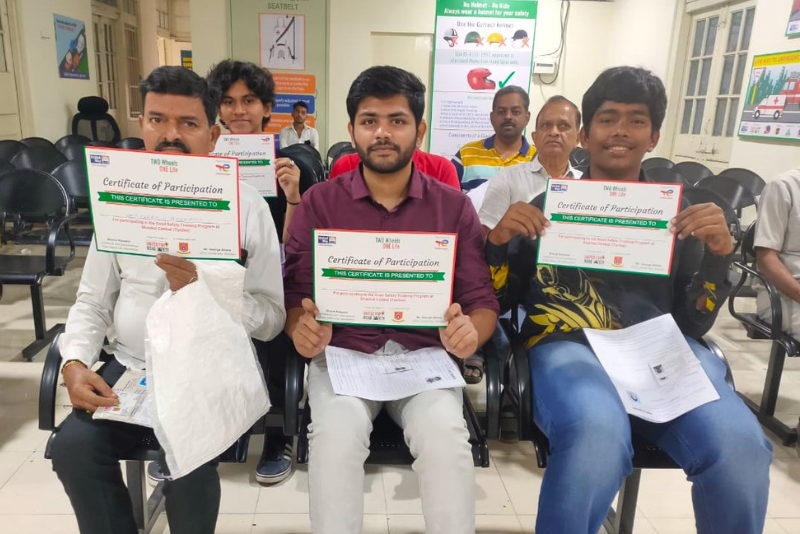
Close to 40,000 licence applicants have undergone training in 2-wheeler safe riding techniques at Regional Transport Offices (RTOs), marking a significant stride towards enhancing road safety standards. These specialised training sessions, conducted
Read more...

Nearly 40,000 Licence Applicants Trained in 2-Wheeler Safe Riding Techniques at RTOs

24th April 2024

Close to 40,000 licence applicants have undergone training in 2-wheeler safe riding techniques at Regional Transport Offices (RTOs), marking a significant stride towards enhancing road safety standards. These specialised training sessions, conducted as part of a concerted effort to promote responsible riding behaviour, equipped aspiring riders with essential skills and knowledge to navigate the roads safely. Through practical demonstrations, theoretical instruction, and simulated scenarios, participants were empowered to handle various traffic situations confidently while prioritising their safety and that of others on the road.


SCALING TO OTHER GEOGRAPHIES: TWOL PROGRAM WIDENS REACH TO INDORE AND BENGALURU RTOS
TWOL, aimed at bolstering road safety measures, has now extended its footprint to encompass additional Regional Transport Offices (RTOs) in key cities such as Indore (Madhya Pradesh) and Bengaluru (Karnataka). This strategic move marks a pivotal mome
Read more...

Scaling to other geographies: TWOL Program Widens Reach to Indore and Bengaluru RTOs

24th April 2024

TWOL, aimed at bolstering road safety measures, has now extended its footprint to encompass additional Regional Transport Offices (RTOs) in key cities such as Indore (Madhya Pradesh) and Bengaluru (Karnataka). This strategic move marks a pivotal moment in United for Road Safety evolution, as it seeks to address the pressing need for enhanced safety standards among two-wheeler riders in these bustling urban centres. the ambit of TWOL programme to additional Regional Transport Offices (RTOs) in Indore (Madhya Pradesh), Bengaluru (Karnataka).


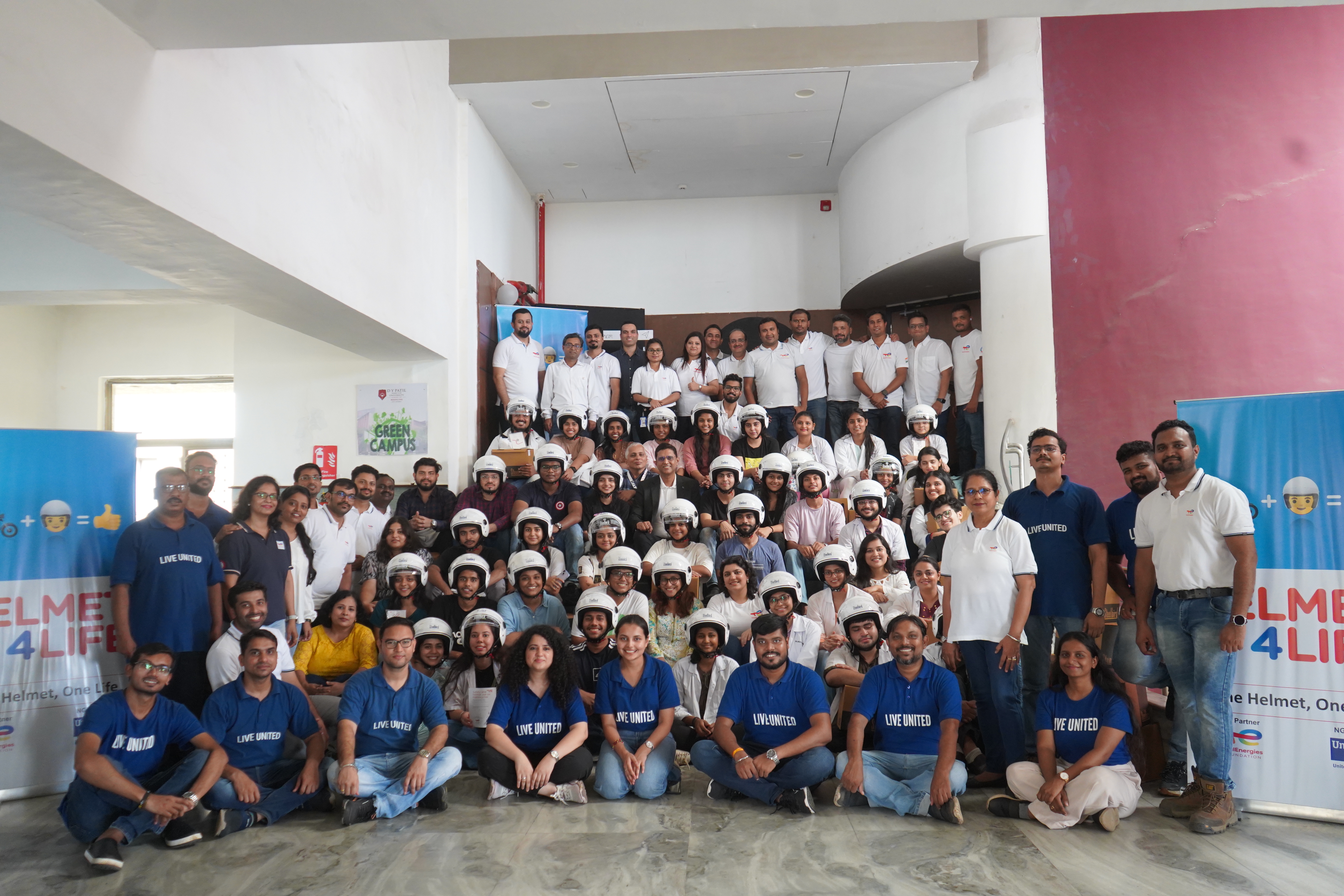
20,000+ HELMETS DISTRIBUTED ALONGSIDE SAFETY TRAINING FOR TWO-WHEELER RIDERS ACROSS INDIA
In a concerted effort to prioritise the safety of two-wheeler riders nationwide, United for Road Safety has seen the distribution of over 20,000 helmets, complemented by a comprehensive safety training session. Spanning various regions across India l
Read more...

20,000+ Helmets Distributed Alongside Safety Training for Two-Wheeler Riders Across India

24th April 2024

In a concerted effort to prioritise the safety of two-wheeler riders nationwide, United for Road Safety has seen the distribution of over 20,000 helmets, complemented by a comprehensive safety training session. Spanning various regions across India like Ahemdabad, Mumbai and Bangalore, the project aimed to address the alarming rates of head injuries and fatalities among riders by promoting the consistent use of protective gear and instilling essential safety practices.

Each distributed helmet was accompanied by tailored safety training sessions, ensuring that riders not only possess the necessary protective equipment but also the knowledge and skills to navigate roads securely.