|
|
|
|
9870798063 www.reapchild.org [email protected] |
 Education
| Project Name | "STEM -SHAKTI" - A STEM Project for Girls | |||||||||||||||
| Amount Utilized (INR) | 856734 | |||||||||||||||
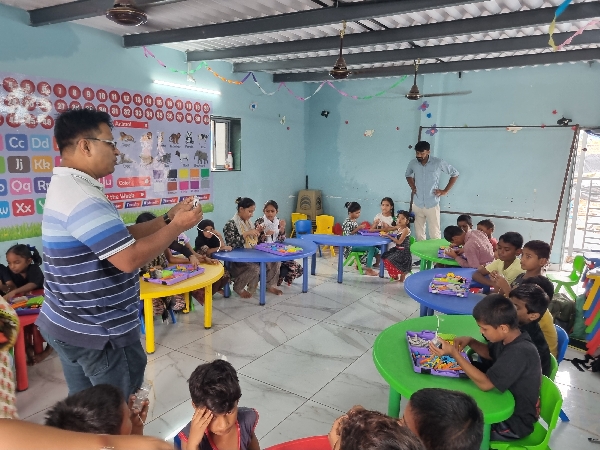
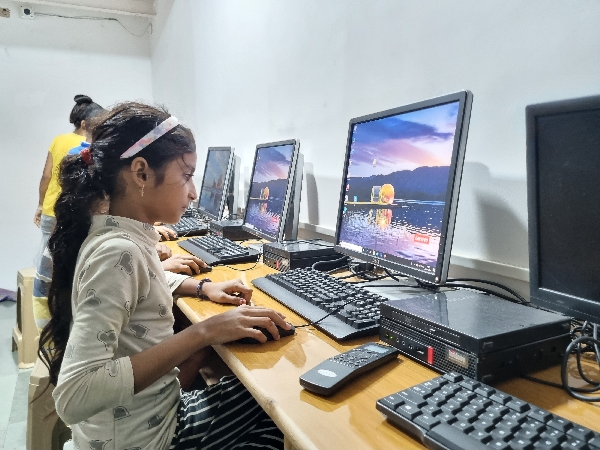
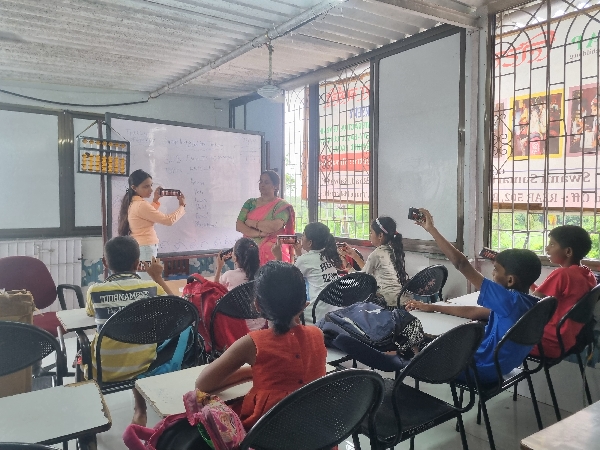
| Project Description | REAP is innovating on STEM learning among school students to make them future ready. This project aims to bridge the gender gap in Science, Technology, Engineering, and Mathematics (STEM) by providing targeted training to adolescent girls from underprivileged backgrounds. We are thankful to our donors, the initiative empowers girls from the slums of Kalwa (Thane district) and from tribal and rural schools in Palghar and Nashik districts, Maharashtra. The program delivers hands-on STEM learning sessions, coding and robotics workshops, and career guidance, enhancing problem-solving skills, creativity, and confidence. By equipping these girls with future-ready skills, the project seeks to inspire them to pursue higher education and careers in STEM fields, thereby breaking cycles of poverty and gender inequality. | |||||||||||||||
| Locations | Thane > Maharashtra (MH),Palghar > Maharashtra (MH),Nashik > Maharashtra (MH) | |||||||||||||||
| Causes | Education & youth opportunity > STEM and digital education | |||||||||||||||
| Beneficiary Group | Children | |||||||||||||||
| Beneficiary Description | The direct beneficiaries are adolescent girls aged 10–18 years from marginalized and underserved communities. These girls often face multiple barriers—economic hardship, gender bias, and lack of role models in STEM—resulting in low participation in science and technology education. They include: • Migrant girls living in Kalwa slums in Thane district, facing overcrowded living conditions, limited access to quality education, and high dropout risks. • Tribal girls from remote villages in Palghar district, where poverty, early marriage, and lack of exposure to modern learning limit educational attainment. • Rural girls from under-resourced schools in Nashik district, with minimal access to STEM laboratories and STEM learning. | |||||||||||||||
| Impact | Impact of the Project: STEM Training for Girls 1. Quantitative Impact Impact Area Indicator Target / Expected Outcome Reach & Participation Number of girls trained in STEM learning 535 girls from slum, tribal, and rural backgrounds completed the training. STEM Competency Improvement in STEM knowledge and skills 70% of participants showed a minimum 30% increase in science knowledge between pre- and post-training assessments. Hands-on Projects Number of STEM projects completed About 30 small STEM projects designed and demonstrated by girls during training period. Career in STEM fields Number of girls expressing interest in STEM related careers About 80% girls have shown interest for careers in STEM fields. School Engagement Partnership with schools on STEM Partnered with 8 schools actively involved in STEM learning programme. 2. Qualitative Impact (changes in mindset/gender stereotypes, confidence) • Empowerment & Confidence: Participants gained increased self-belief in their abilities to succeed in science and technology, breaking traditional gender norms that limit career aspirations. • Increased STEM Aspirations: More girls now express interest in pursuing STEM subjects in higher education, moving towards fields such as engineering, IT, mechanical, and higher studies. • Leadership & Collaboration Skills: Through group projects and problem-solving exercises, girls developed industry skills such as teamwork, leadership, and communication. • Early Career Pathway Formation: Exposure to coding, robotics, and real-world applications help girls make informed decisions about subject choices and career directions. | |||||||||||||||
Activities Conducted
| ||||||||||||||||
| Project Name | STEM Education for Girls | ||||||||||||
| Amount Utilized (INR) | 220650 | ||||||||||||
| Project Description | The project is implemented to impart quality STEM learning to 500 Girls studying from Grade-1 to 8. The project will be first of its kind for these children to lack exposure to lab equipment, coding and robotics applications on subjects like Engineering, Technology, Science, and mathematics. Learning of difficult subjects will be easier and complex concepts will be easily comprehended. Generally, girls are highly vulnerable and deprived of technology education due to gender discrimination and cultural beliefs that women and girls are good for cooking, nursing etc. Hence, to empower the girls and change this gender stereotypes, we are taking a special drive to conduct STEM training for girls and develop a passion among them for new knowledge and new jobs. In addition to subject knowledge, the girls will acquire skills such as problem-solving, critical thinking, group work, communications, self-learning and self-management by project activities and trying to solve real life problems in the classroom or lab environments. These children will have developed a passion for science and technology subjects motivating them to become future scientists, technocrats and engineers. This will make a huge impact on socio-economic development of their families and communities. | ||||||||||||
| Locations | Thane > Maharashtra (MH) | ||||||||||||
| Causes | Education > STEM | ||||||||||||
| Beneficiary Group | Children,Women | ||||||||||||
| Beneficiary Description | The STEM Udaan project is centered around girls aged 8 to 18 in the Kalwa slums of Thane, Maharashtra. This demographic represents economically disadvantaged families, many of whom are migrants seeking better livelihoods. These children often face disruptions in their education due to migration and struggle with limited access to quality educational resources, particularly in STEM fields. The project focuses on fostering equal opportunities and gender inclusivity, actively involving the community, parents, and local schools to build a supportive ecosystem for STEM learning. | ||||||||||||
| Impact | Girls are deprived of access to technology education and training due to gender discrimination and cultural barriers in society. Hence, there is a need to change this belief and values in society and empower the girls through STEM training. We conducted a special drive to impart STEM training to 100 girls in 1st phase and develop a passion among them for new knowledge and new jobs. Through hands-on robotics and STEM learning, it aspires to unlock the limitless potential of children, equipping them with 21st century industry skills and knowledge. With the active involvement of local schools, community partnerships, and an intensive teacher training component, this project aims to make a lasting impact on the lives of these young learners, empowering them to dream, discover, and achieve in the world of science and technology. By providing access to quality STEM education, project is not just shaping young minds; it's shaping a brighter, more inclusive future for the Kalwa community. | ||||||||||||
Activities Conducted
| |||||||||||||