|
|
|
|
9867280427 www.prideindia.org [email protected] |
 Health
| Project Name | Jeevanshala (Lakshya) | |||||||||||||||||||||
| Amount Utilized (INR) | 618255 | |||||||||||||||||||||
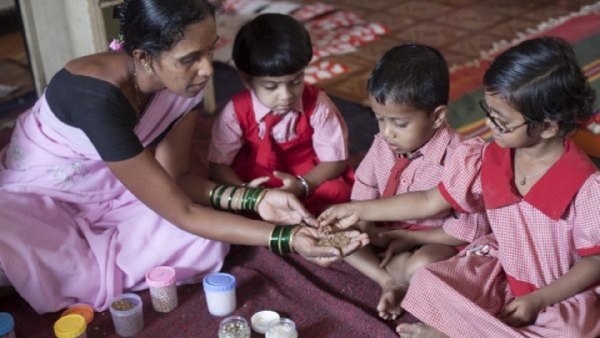
| Project Description | The funds were utilized to support JeevanShala, a residential education program for 52 tribal children from the Katkari and other marginalized communities in Mahad block, Raigad district. The key activities covered under the project include: Safe Residential Facilities: Providing secure housing, clean water, and sanitation for enrolled children. Academic Support: Enrolling children in nearby government schools and offering evening tutoring and remedial education. Digital Learning: Introducing computer education and access to digital learning resources. Nutrition and Health: Ensuring three balanced meals a day, routine health check-ups, and hygiene awareness. Holistic Development: Facilitating extracurricular activities like sports, art, and cultural events for all-round growth. Library Access: Maintaining a small but active library to promote reading and curiosity. Community Empowerment: Conducting vocational training and women’s empowerment programs for the children's families. These integrated activities aim to reduce dropout rates, ensure continuity in education, and improve the overall well-being of tribal children and their communities. | |||||||||||||||||||||
| Locations | Raigad > Maharashtra (MH) | |||||||||||||||||||||
| Causes | Education & youth opportunity > Others | |||||||||||||||||||||
| Beneficiary Group | Children,Tribal community | |||||||||||||||||||||
| Beneficiary Description | The JeevanShala residential program currently supports 52 tribal children from the Katkari community and other Scheduled Tribes residing in the Mahad block of Raigad district, Maharashtra. These children are in the age group of approximately 7 to 16 years, corresponding to students from 2nd to 10th standard. Age Group: 7–16 years Education Level: 2nd to 10th standard Number of Beneficiaries: 52 children Gender Break-up: 26 boys and 26 girls Community: Primarily Katkari tribe, also includes other tribal groups such as Thakars and Mahadev Kolis Vulnerability Profile: Children of seasonal migrant laborers from landless, forest-dependent tribal families, with high risk of school dropout, malnutrition, and poor access to healthcare and hygiene The program not only focuses on their academic education (through enrollment in Raigad Zilla Parishad Primary School and Jijamata Madyamik Vidyalaya) but also ensures nutritional support, residential care, computer education, and holistic development, including health, hygiene, and recreational activities. Additionally, the program indirectly benefits the families and communities of these children through livelihood and women’s empowerment initiatives, contributing to longer-term transformation. | |||||||||||||||||||||
| Impact | Impact Till Date: Dropout rates significantly reduced among children of migrant laborers through continuous academic support and residential care. 100% school enrollment and retention of all 70 currently supported children (Grades 2–10). Improved learning outcomes through structured tutoring, digital literacy via computer education, and access to a well-stocked library. Enhanced physical health and hygiene through daily nutritious meals, regular health check-ups, and sanitation awareness. Increased self-confidence and social skills developed through extracurricular activities, sports, and community events. Empowered families, especially women, through livelihood training and formation of SHGs (Self-Help Groups). Projected Impact: 50+ children annually will continue to benefit from safe shelter, education, and holistic development. Reduction in intergenerational poverty and migration cycles through sustained access to education and vocational support. Improved secondary school completion rates and greater access to higher education or skill-based employment. Strengthened community resilience by integrating education with economic empowerment and social inclusion of tribal families. | |||||||||||||||||||||
Activities Conducted
| ||||||||||||||||||||||
| Project Name | SPARSH RURAL HOSPITAL | |||||||||
| Amount Utilized (INR) | 5886437 | |||||||||
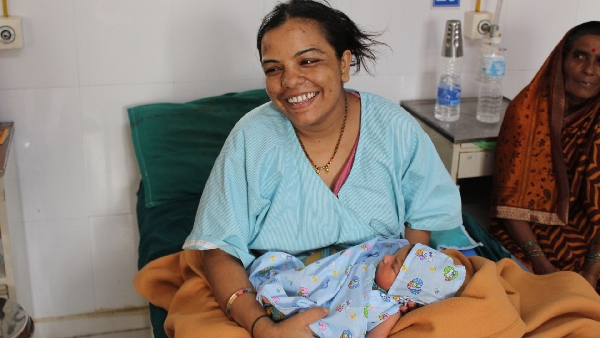
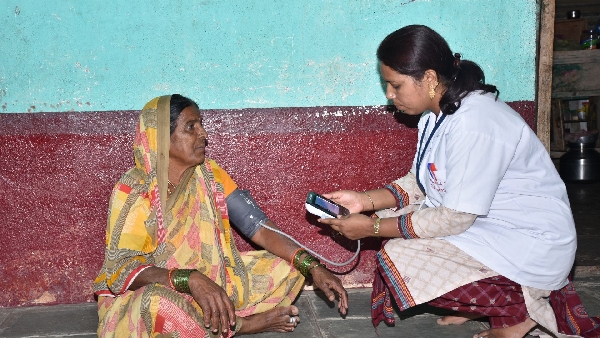
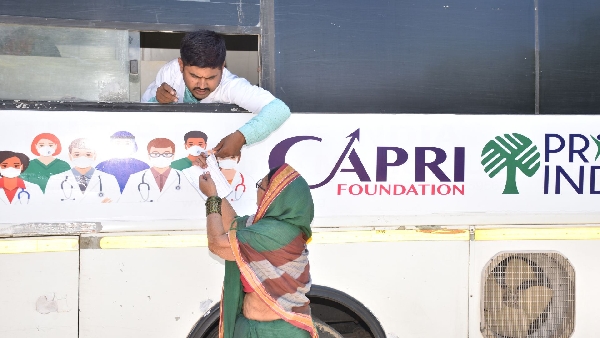
| Project Description | Set up on the 30th of September 1996, in the wake of a devastating earthquake, SPARSH (Sastur Project of Action Research Services through Hospital) is a flagship project of The PRIDE India. It continues to be one of the only sources of quality healthcare to villagers from Marathwada region, especially Dharashiv and Latur districts in Maharashtra, India. The hospital provides healthcare with its 40-bedded high specialty facility, support and care to people living with HIV/AIDS, maternal and child healthcare and outreach activities through mobile medical vans. The SPARSH hospital, with state-of-the-art-facilities, touches the lives of over 2.25 Lakh patients across 384 villages each year. SPARSH (Sastur Project of Action Research Services through Hospital) has impacted lives of over 21,00,000 beneficiaries from 384 villages across 5 districts. The hospital has a staff strength of 100+ that include Doctors, nurses, paramedical staff, workers, Mobile Medical Units staff etc. | |||||||||
| Locations | Osmanabad > Maharashtra (MH) | |||||||||
| Causes | Health > Preventive healthcare,Health > Maternal & child health,Health > Preventive healthcare | |||||||||
| Beneficiary Group | Children,Women | |||||||||
| Beneficiary Description | Direct Beneficiaries: Mothers: The SPARSH Project caters to more than 2,500 mothers directly through the Hospital and an additional 1500 mothers through our out reach services. Children: The project covers yearly about 2500 to 2800 children through direct intervention Indirect Beneficiaries: Family members and community members who benefit from improved health practices and reduced health risks. Indirect beneficiaries of the project account to more than 2.5 Lakh every year. | |||||||||
| Impact | PRIDE has been instrumental and contributed in improving health outcomes by reducing the mother mortality rate (MMR) from 35 to 1 and reduction in infant mortality rate (IMR) from 9.36 to 0.1 through our SPARSH hospital and community outreach initiatives in more than about 450 intervention villages where there is limited access to healthcare services | |||||||||
Activities Conducted
| ||||||||||
| Project Name | Lakshya | |||||||||
| Amount Utilized (INR) | 683330 | |||||||||
| Project Description | Lakshya is an aspirational initiative of PRIDE India that focuses on empowering youth in various aspects of their lives. Youth in India, lack access to sustainable livelihoods owing to multiple interdependent factors such as socio-economic conditions, educational disparities, limited resources, and a gap between education and job market needs, hindering their development and opportunities. Lakshya employs a market-oriented approach, offering programs and resources that enhance education, financial literacy, employability, and entrepreneurship development among youth by utilizing both school and community centric models that provide intense, experiential training through innovative digital means. Lakshya involves the active participation of youth, mentors, and community members and promotes leadership skills among the youth, empowering them to contribute effectively to the process of community development. The program operates in various settings, including rural and urban areas, with a particular focus on addressing the challenges of rural livelihoods and migration, adapting its approach to the specific context and needs of different communities. Lakshya programs are ongoing, providing long-term support and opportunities for youth development. It emphasises the need for education and encourages young individuals to pursue at least a graduation degree while engaging in other pursuits. | |||||||||
| Locations | Raigad > Maharashtra (MH) | |||||||||
| Causes | Income > Skilling & vocational training,Income > Job readiness skills,Income > Financial Inclusion | |||||||||
| Beneficiary Group | Children,Women,Tribal community,Others | |||||||||
| Beneficiary Description | Direct Beneficiaries: The project engages about 100participants directly in skill training courses such as computer training, Tally, and beauty courses. About 60 Katkari Tribal children have been directly impacted through the project. Indirect Beneficiaries: Family members and community members who benefit indirectly through the enhanced income and skills of the direct beneficiaries. This number can vary widely, often 2-3 times the number of direct beneficiaries. | |||||||||
| Impact | The project has seen considerable increase in income amongst its participants specially those involved in computer training, tally and beauty courses. About 60 Katkari Tribal children have benefitted through this project | |||||||||
Activities Conducted
| ||||||||||

.jpeg)