|
|
|
|
0755-4293399 www.arushi-india.org [email protected] |
 Disability
| Project Name | Rehabilitation of Children with Disabilities | ||||||||||||
| Amount Utilized (INR) | 220581 | ||||||||||||
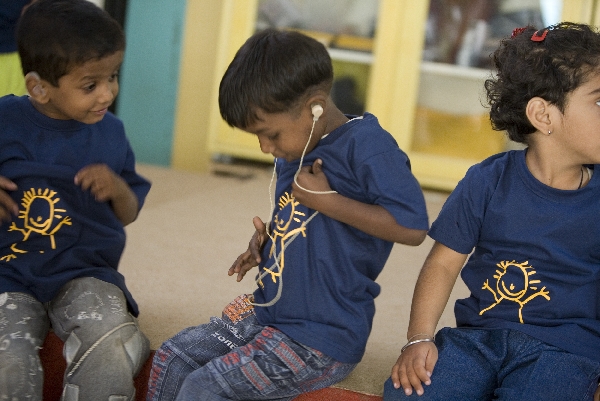
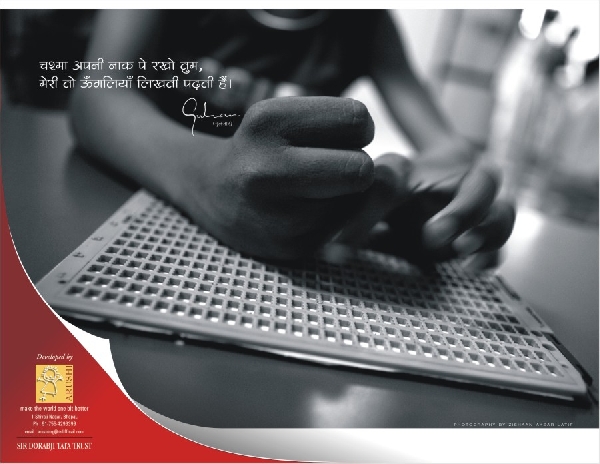
| Project Description | The funds were utilized to provide need-based rehabilitation services to children with disabilities. This included individualized sessions of physiotherapy, speech therapy, occupational therapy, and special education, based on the child’s age and type of disability. Children were grouped according to their developmental needs and given structured training plans. Additionally, vocational training, functional education, and daily living skills were taught to enhance their independence. Supportive services like computer education, Braille learning, and recreational therapy (including pottery and swimming through Halliwick therapy) were also part of the intervention to ensure holistic development. | ||||||||||||
| Locations | Bhopal > Madhya Pradesh (MP) | ||||||||||||
| Causes | Healthy Community > Mental health,Education & youth opportunity > Early childhood education,Education & youth opportunity > Inclusive education for persons with disability,Climate action and Community resiliency > Animal welfare & conservation | ||||||||||||
| Beneficiary Group | Children,Persons with Disabilities | ||||||||||||
| Beneficiary Description | The project has had a transformative impact on the lives of children with disabilities and their families. Children who were once unable to walk, speak, or engage in basic activities have shown remarkable progress through consistent therapy and training. Many have gained mobility, developed better communication skills, improved concentration, and achieved functional independence in daily tasks such as eating, dressing, and personal hygiene. Special education and vocational training have helped children with intellectual and developmental disabilities become more confident and socially engaged. Parents have reported enhanced understanding of their child's needs and improved caregiving practices through home-based support and counselling. Inclusive activities like Braille classes, story-reading sessions, pottery, and swimming therapy have boosted the children’s morale, creativity, and participation in mainstream settings. The program has not only addressed the physical and developmental needs of the children but also helped reduce stigma, promote dignity, and create a more inclusive and empathetic environment within families, schools, and the community. | ||||||||||||
| Impact | |||||||||||||
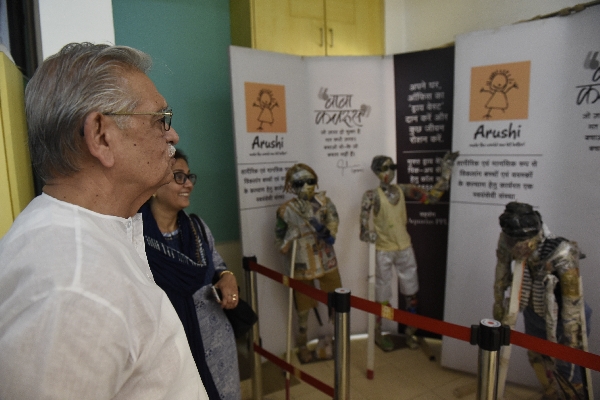
Activities Conducted
| |||||||||||||
| Project Name | Rehabilitation of Children with Disabilities | ||||||||||||
| Amount Utilized (INR) | 303191 | ||||||||||||
| Project Description | 1. Twenty children were enrolled for all therapy trainings, special education and school readiness skills. 2. The classes/trainings were conducted, five days a week, three and half hours per day. Apart from the regular program, special sessions once a week for children requiring extra support were provided. 3. Activities pertaining to each child and necessary need based intervention was provided by the special educators | ||||||||||||
| Locations | Bhopal > Madhya Pradesh (MP) | ||||||||||||
| Causes | Education > Early childhood learning,Health > Mental health,Health > Preventive healthcare | ||||||||||||
| Beneficiary Group | Persons with Disabilities | ||||||||||||
| Beneficiary Description | After the assessment Children with disabilities from deprived section of the community were given speech Therapy, Physiotherapy and Special Education. These are from the age group 3-14 years of age. These beneficiaries are 12 males and 8 females. | ||||||||||||
| Impact | 1. Enhanced Development: Therapies and special education provide targeted interventions that can significantly improve developmental milestones and learning outcomes. 2. Increased Independence: With appropriate support, children with disabilities can develop skills that foster greater independence and self-sufficiency. 3. Improved Social Skills: Specialized programs and therapies often include social skills training, which helps children build positive relationships and navigate social environments more effectively. 4. Better Academic Achievement: Tailored educational strategies and accommodations help children with disabilities succeed academically, often resulting in better performance and higher self-esteem. | ||||||||||||
Activities Conducted
| |||||||||||||


.jpg)
.jpg)