Location: South Mumbai, Maharashtra
Major Slum Areas: Cuffe Parade (Ambedkar Nagar), Colaba, Worli Koliwada, Byculla, Mazgaon, and parts of Grant Road and Charni Road.
Type: High-density informal settlements, often located near high-income neighborhoods. Population Density: Extremely high (over 30,000 per sq km in some areas)
Average Household Size: 5–6 members
Language: Predominantly Marathi, Hindi, and Urdu; also some Tamil and Gujarati
Communities: These include the Marathi Kolis, Muslims, Christians, Tamils, North Indians, and migrants from other parts of India.
Employment: Daily wage laborers, domestic workers, taxi drivers, street vendors, fisherfolk (Worli Koliwada), small-scale shopkeepers.
Income Level: Low to very low; many families live below the poverty line.
Education: High dropout rates, especially after secondary level; limited access to quality education.
Literacy: Moderate to high literacy, but low functional literacy among adults.
Appeal
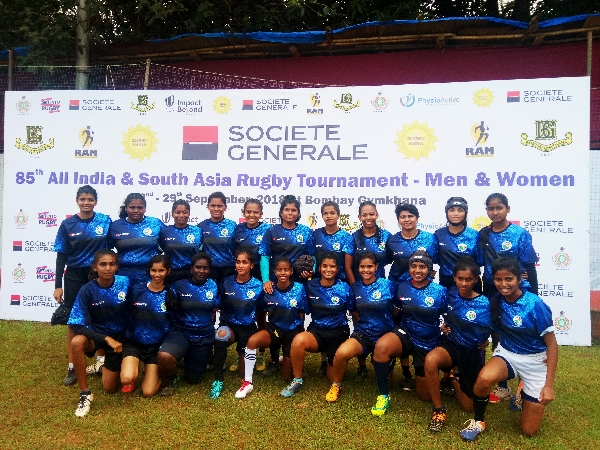
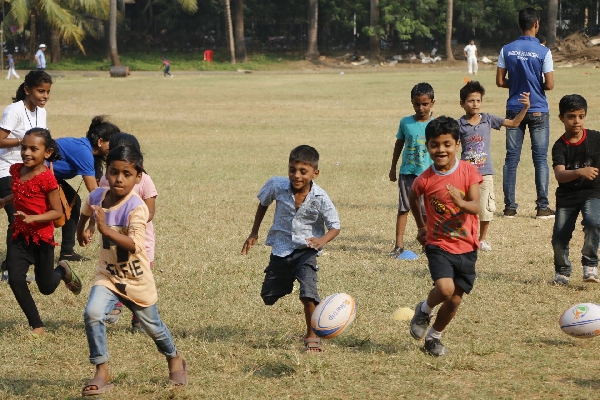
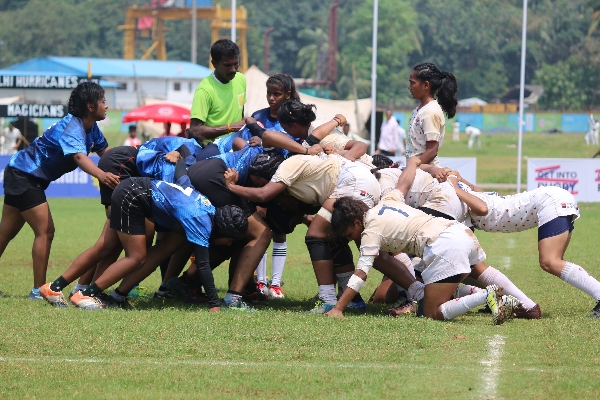
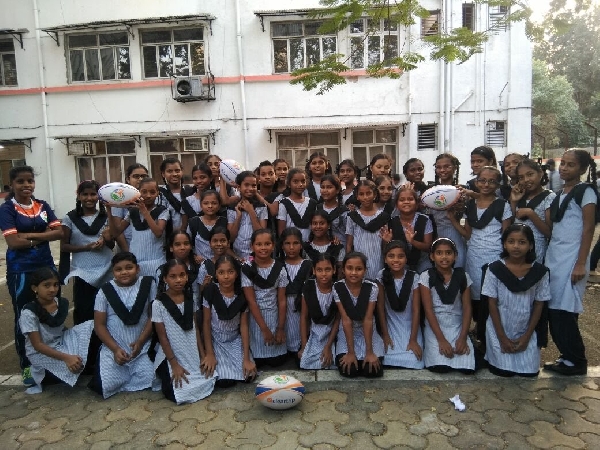
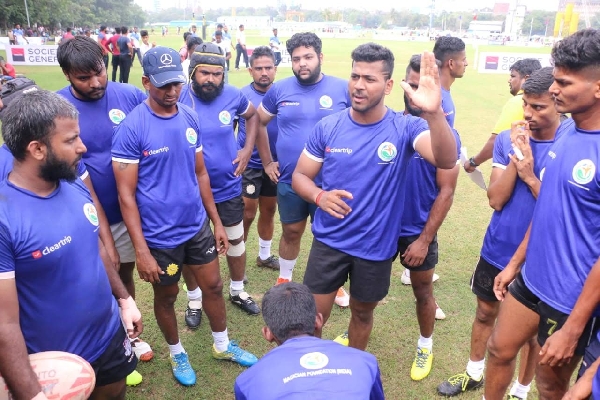
The donations will be utilized to deliver regular Rugby for Life Skills sessions to adolescent girls and boys across five locations in Mumbai. The major expenses will include coaches' fees, transportation, nutrition, and uniforms. Each location will host sessions twice a week, with a coach-to-student ratio of 30:2. Through rugby, the coaches will deliver high-quality life skills training.
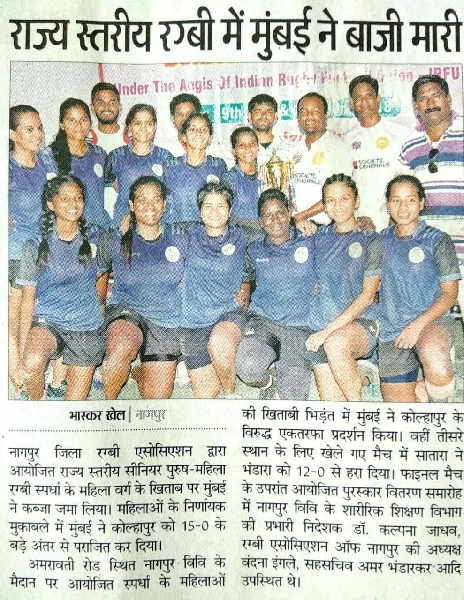
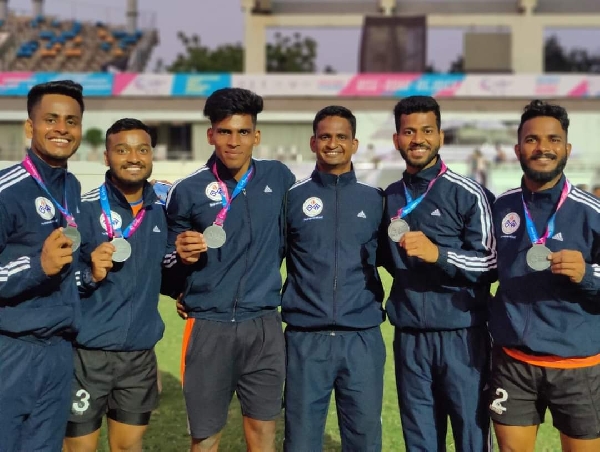
Additionally, the donations will support outdoor tournament participation, covering expenses such as travel, food, uniforms, accommodation, medical costs, and more. With continued donations, we will be able to reach over 900 adolescents.
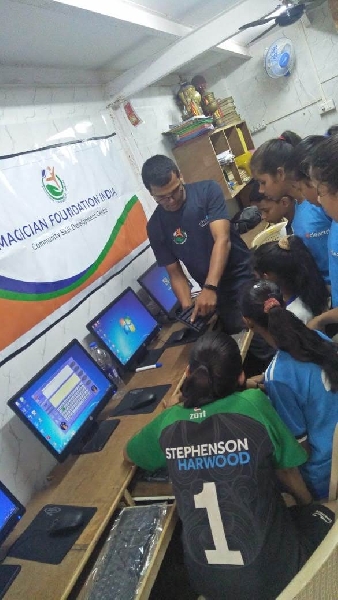
Funds will also be allocated to training programs for coaches and the development of new changemakers through residential and day training programs. These programs will include coaching sessions, life skills development, and raising awareness on issues related to education and personal well-being.
As a result of this initiative, both girls and boys will become more consistent in attending school, will gain confidence to advocate for their rights with parents and teachers, and will adopt positive behaviors to better manage their health and education.
 Education