

THE NEED
Hepatitis B and C remain significant yet under-addressed public health challenges in India, particularly among underserved and high-risk populations. United Way Mumbai’s SEHAT initiative focuses on improving awareness, early detection, vaccination, and treatment linkages for Hepatitis B and C. By working with vulnerable communities and strengthening outreach systems, the programme aims to reduce disease burden, prevent transmission, and improve access to timely care. Hepatitis B and C infections affect millions of individuals in India, with a large proportion remaining undiagnosed due to the asymptomatic nature of the disease in its early stages. By the time symptoms appear, many individuals are already in advanced stages of liver disease, increasing the risk of liver failure and liver cancer. Despite being preventable and manageable, hepatitis continues to contribute significantly to morbidity and mortality. High-risk populations — including people who inject drugs, LGBTQ+ communities, female sex workers, migrant workers, and truck drivers — face systemic barriers to healthcare access, including stigma, lack of awareness, and limited engagement with formal health systems. This creates an urgent need for targeted, community-based interventions that bridge the gap between vulnerable populations and essential healthcare services.
SOLUTION
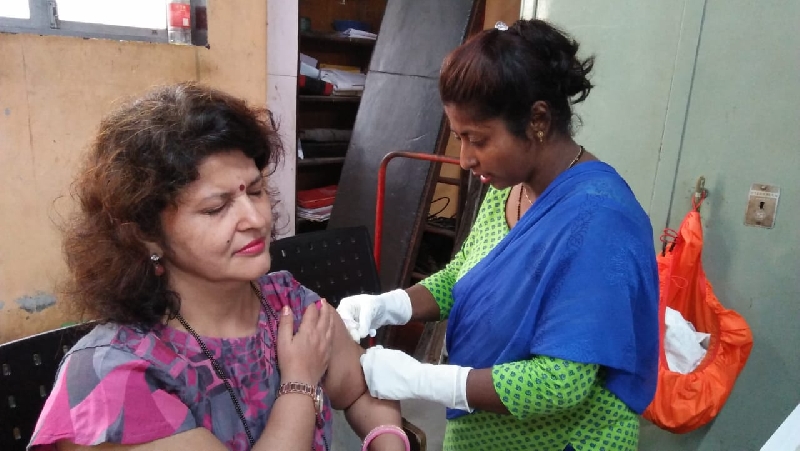
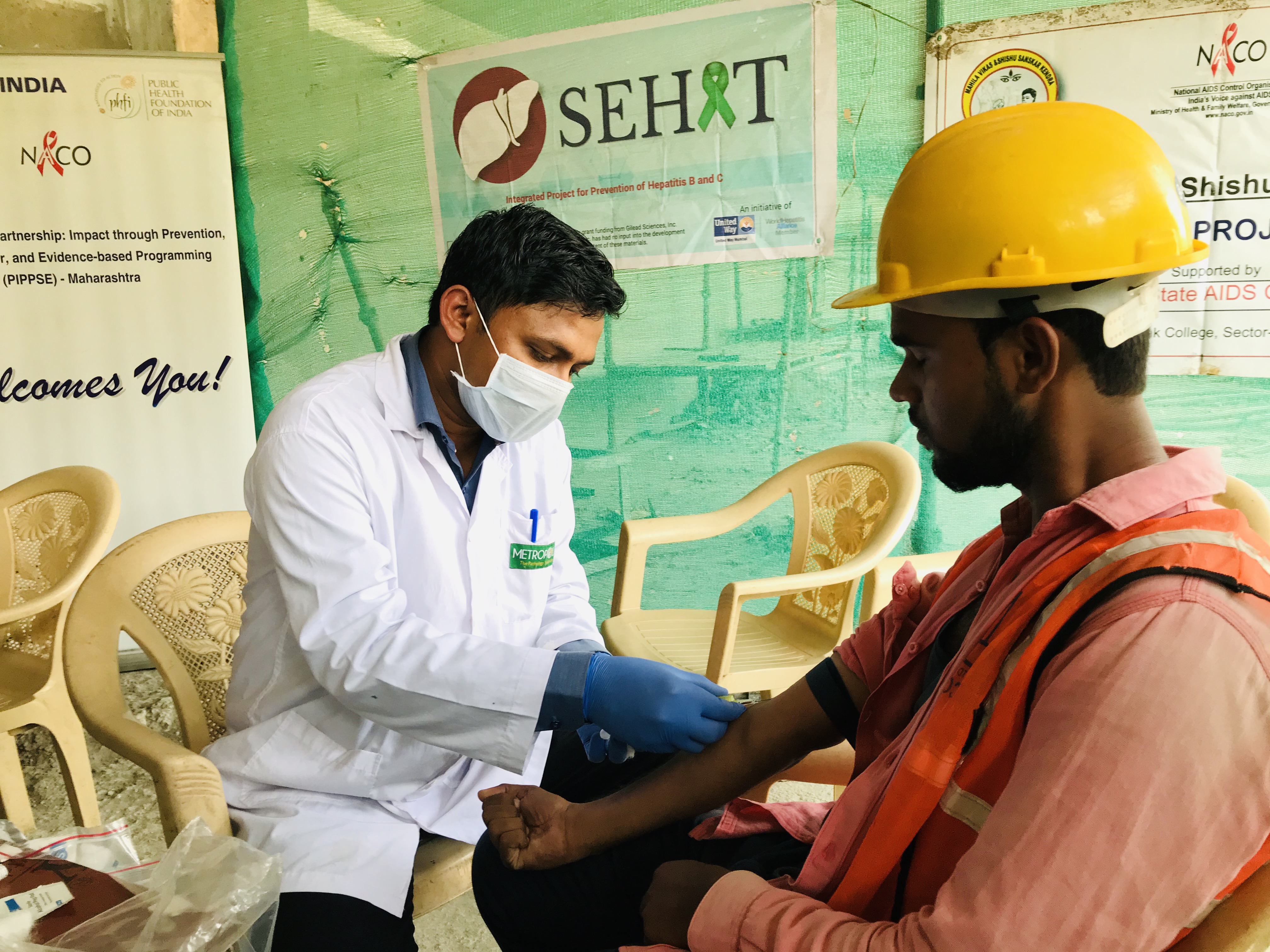
SEHAT adopts a comprehensive, community-based approach to hepatitis prevention and management, focusing on awareness, screening, vaccination, and continuity of care. By partnering with United Way Mumbai, organisations can support: Expand screening and early detection efforts Increase access to vaccination and preventive care Strengthen treatment linkages and adherence support Enable community-led awareness and stigma reduction Scale interventions across high-risk and underserved populations
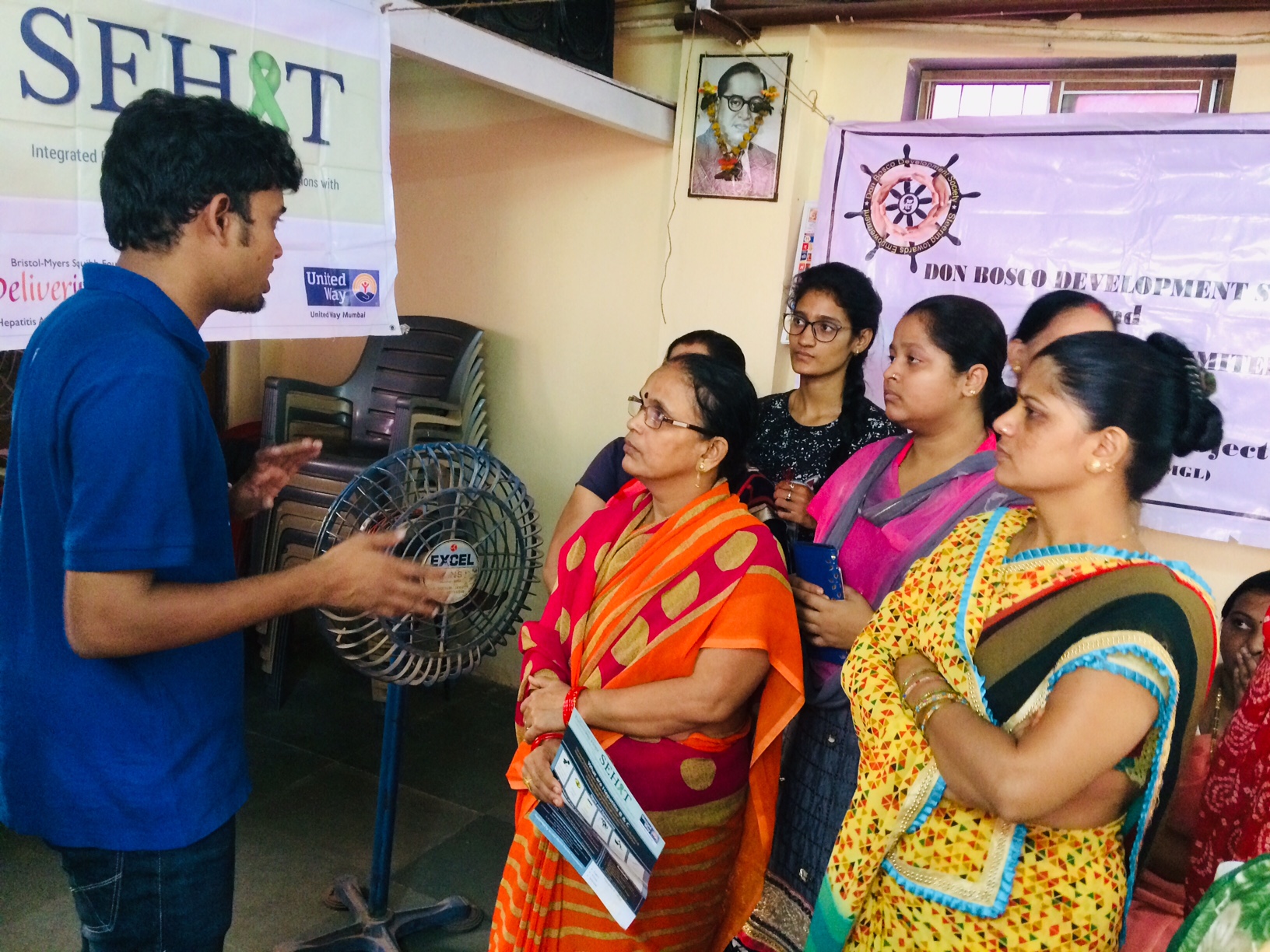
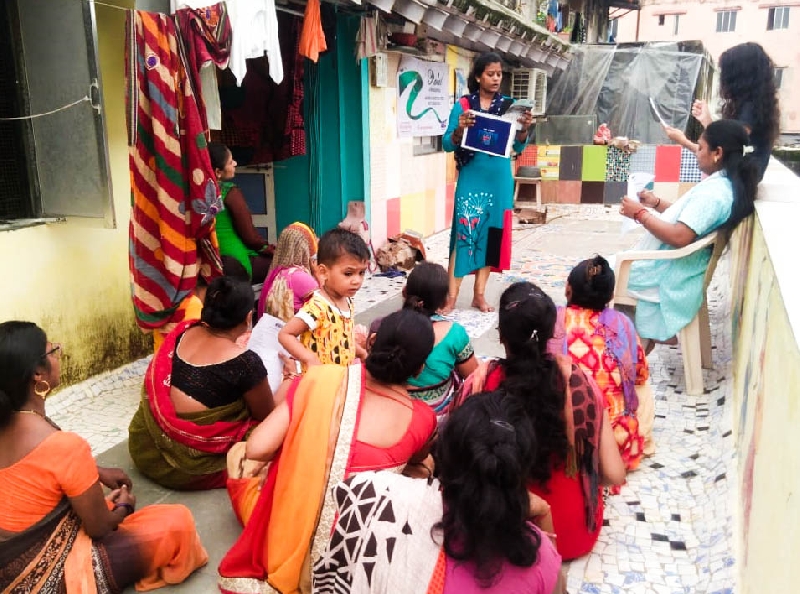
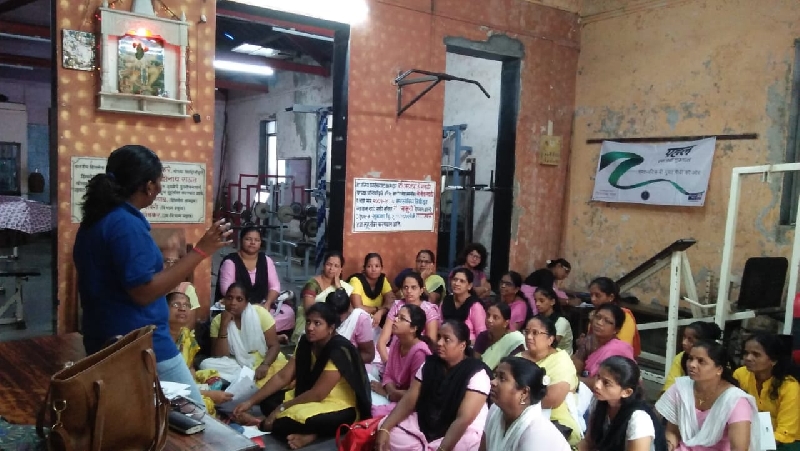
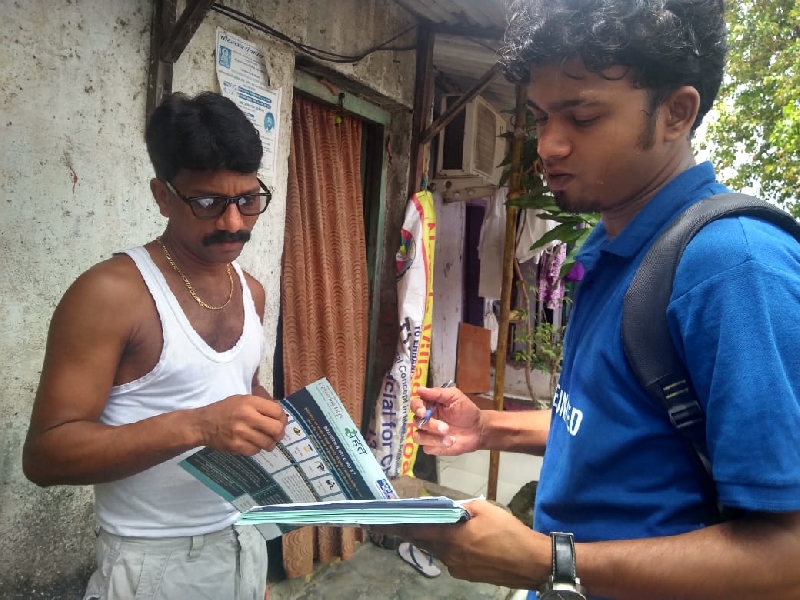
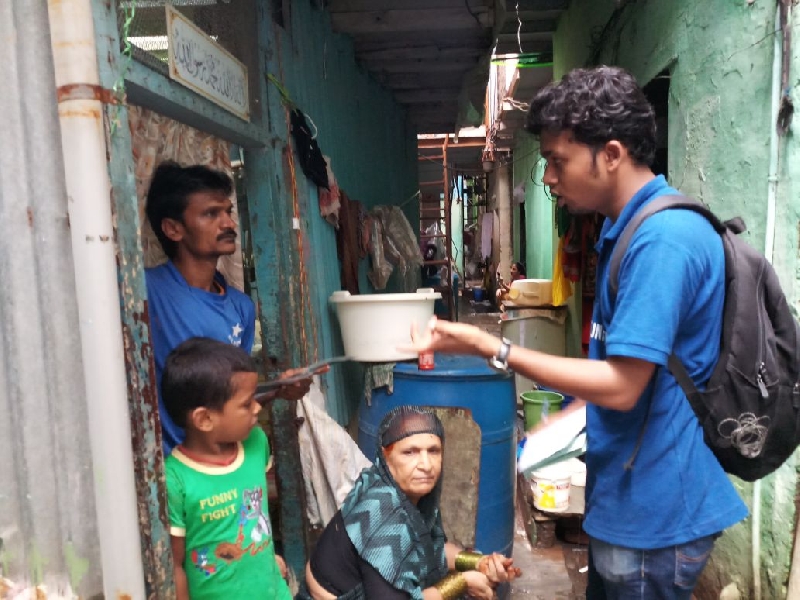
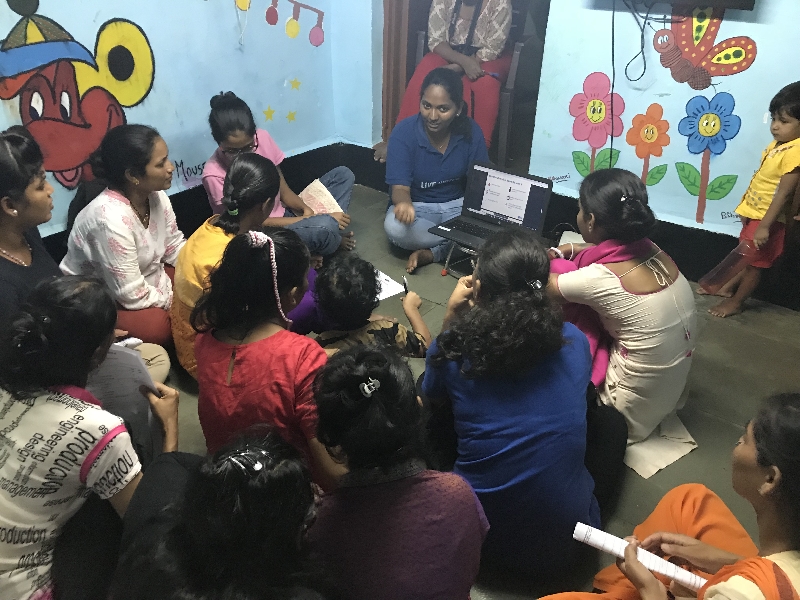
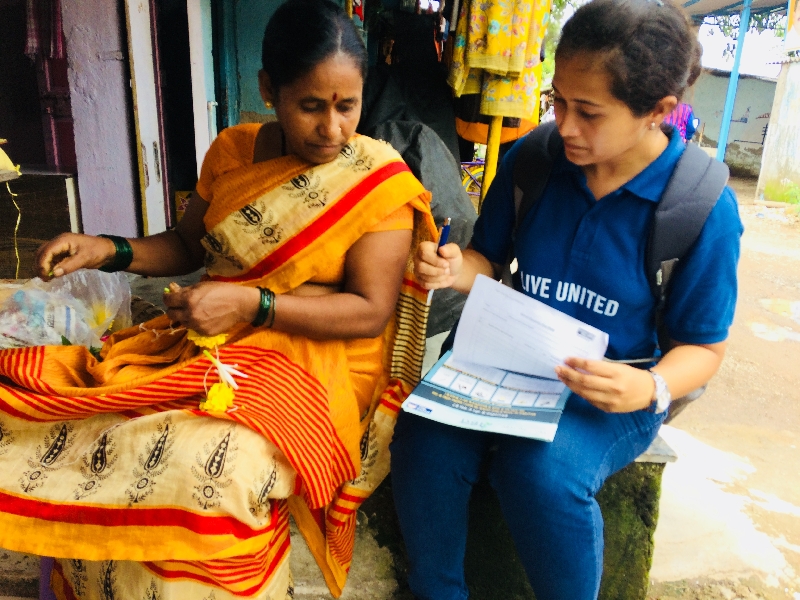
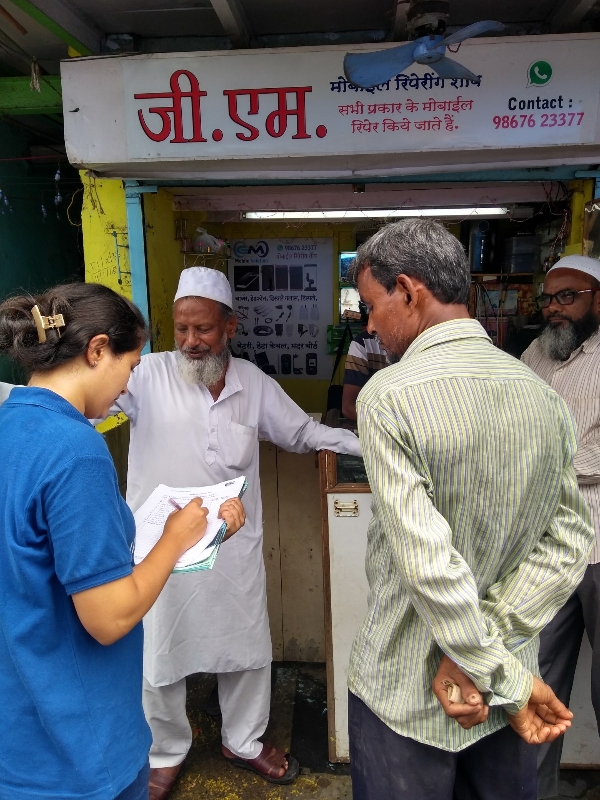
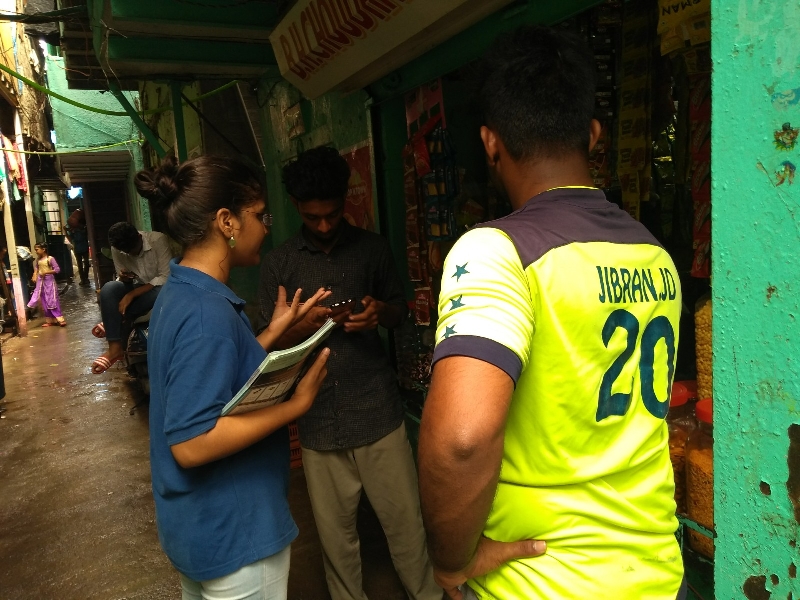
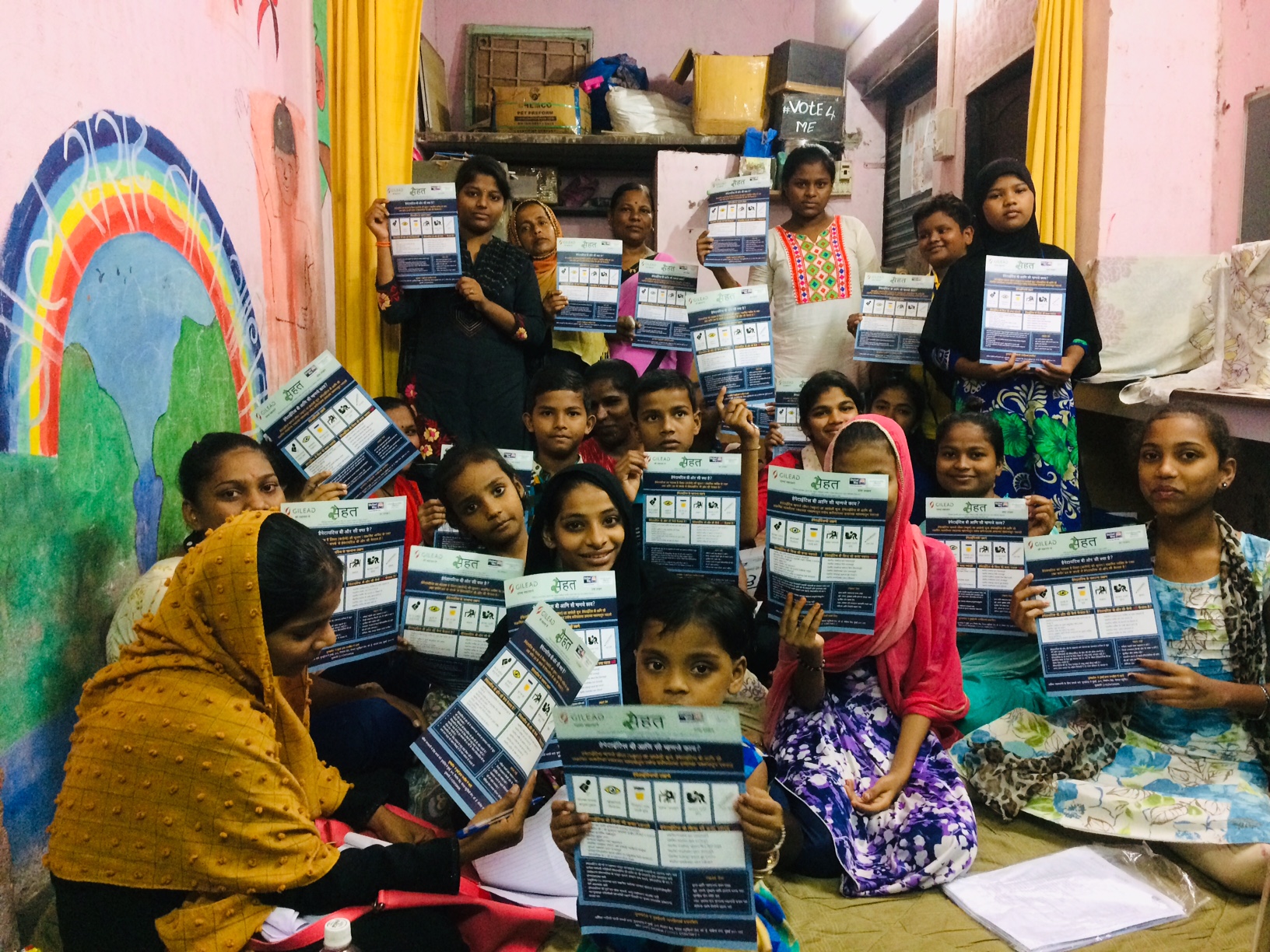
- Outreach is conducted through peer-led engagement, community sessions, and targeted campaigns, ensuring relevance and accessibility for high-risk groups.
SEHAT strengthens support structures through:
- Patient support groups for individuals and families
- Peer networks that encourage treatment adherence and ongoing care
- The United Against Hepatitis Network, enabling collaboration with NGOs to expand outreach and impact
This integrated approach ensures that interventions move beyond awareness to actual health outcomes and continuity of care.
.png)
.jpg)