THE NEED
Improving access to education is only the first step — ensuring that children learn effectively and stay engaged in school remains a significant challenge across India’s public education system.
United Way Mumbai’s Learning Enrichment Programme focuses on improving foundational learning outcomes, school infrastructure, and teaching practices in government and low-income schools. Through a comprehensive, school-based approach, the programme strengthens learning environments, teacher capacity, and student engagement, enabling children to improve learning outcomes and remain in the education system.
While initiatives such as Sarva Shiksha Abhiyan and the Right to Education Act have significantly improved access to schooling, learning outcomes in many public schools remain below expected levels.
Schools often face challenges related to inadequate infrastructure, limited access to learning resources, and gaps in teacher training and pedagogy. These factors directly affect children’s ability to build strong foundational literacy and numeracy skills.
Early childhood education also remains a critical gap, with a relatively small proportion of children enrolled in pre-primary education, impacting school readiness. As students progress, many struggle to keep up with grade-level expectations, contributing to drop-offs between primary and secondary education.
Addressing these challenges requires integrated, long-term interventions that go beyond access and focus on improving how children learn within the school system.
SOLUTION
United Way Mumbai adopts a holistic, school-centric approach to improving learning outcomes, working in close partnership with government and low-income schools.
Each engagement begins with a detailed needs assessment, followed by the design and implementation of interventions tailored to the school’s specific requirements. The programme focuses on strengthening both learning environments and teaching-learning processes.
- Schools are upgraded to create safe, engaging, and child-friendly spaces that support learning. - Infrastructure improvements are guided by the BaLA (Building as Learning Aid) approach, integrating educational elements into the physical environment to make learning more interactive and engaging.
- Balwadis are strengthened through refurbishment, age-appropriate learning materials, and teacher training, ensuring that children develop the foundational skills needed for school readiness.
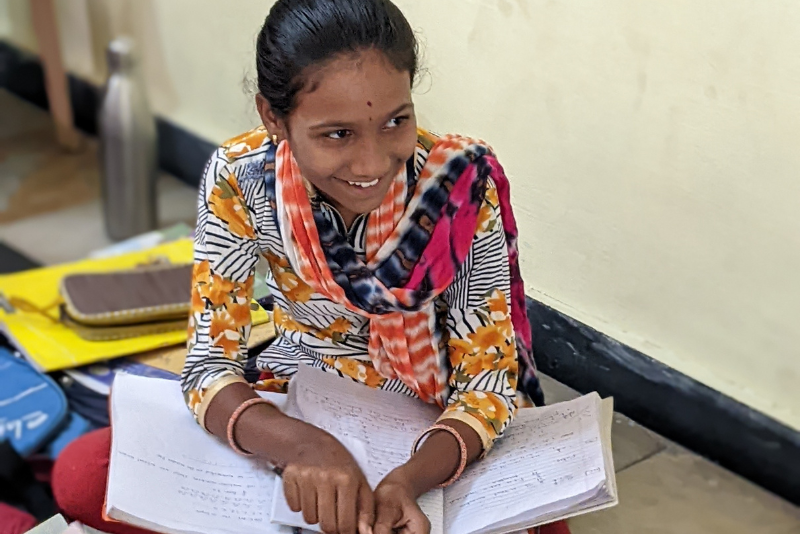
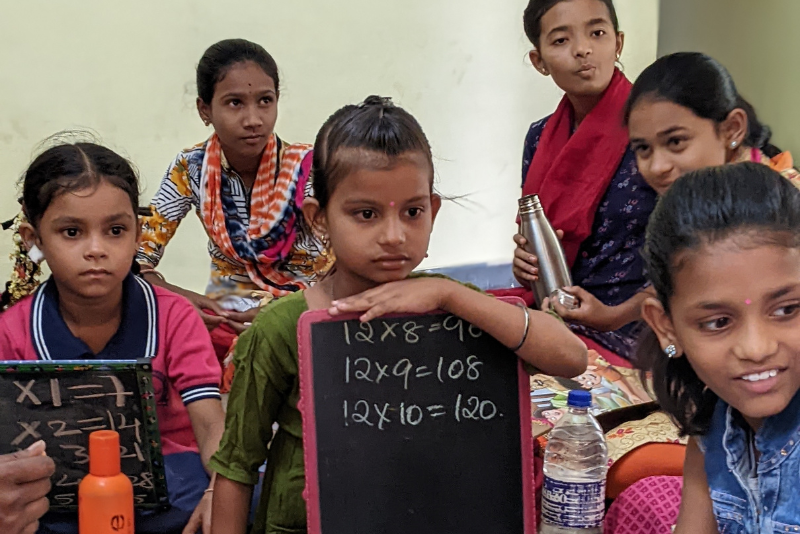
Students performing below grade level receive targeted remedial support, particularly in English and Mathematics, helping them build core competencies and bridge learning gaps.
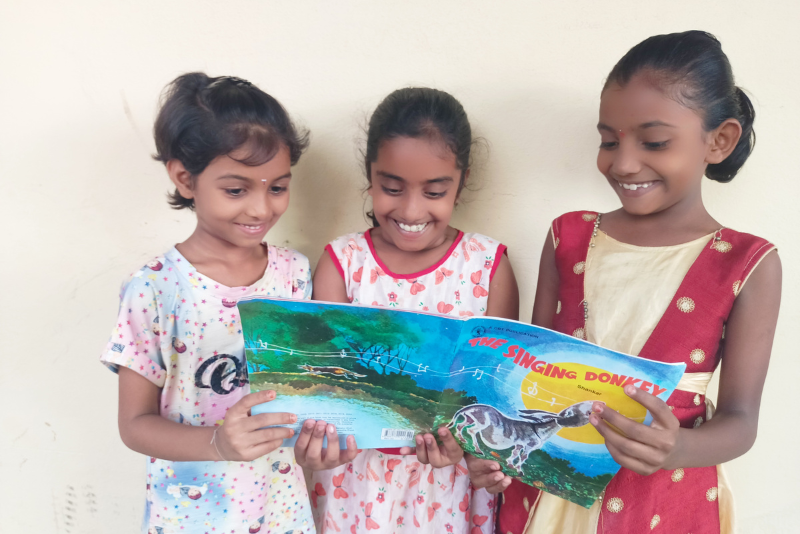
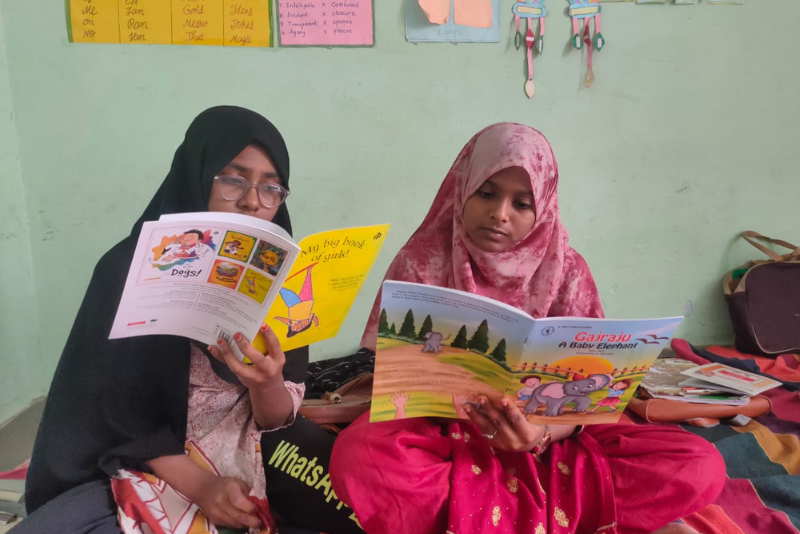
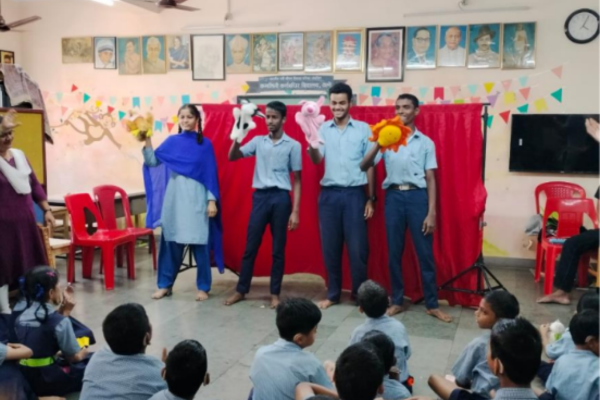
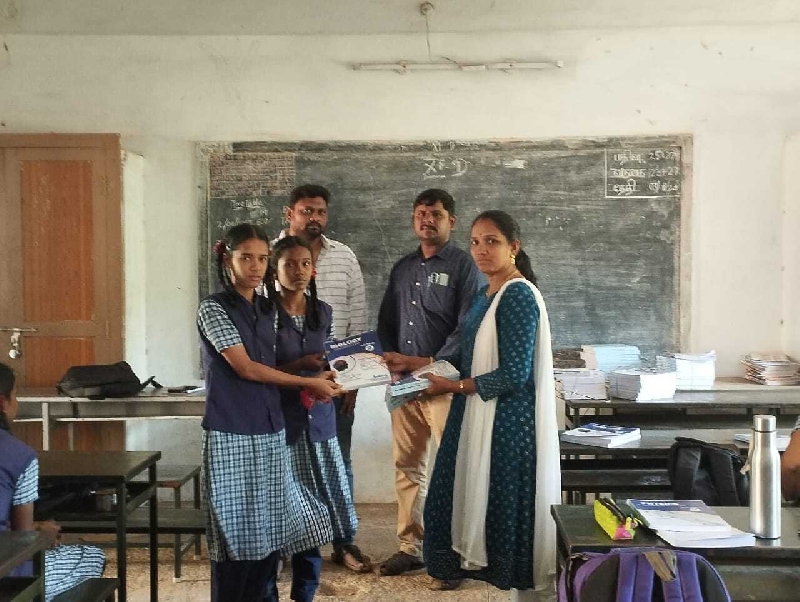
- Libraries and reading corners are established within schools to promote reading as a tool for learning. Children are provided with curated book sets and participate in guided reading sessions and storytelling engagements, helping strengthen comprehension and language skills.
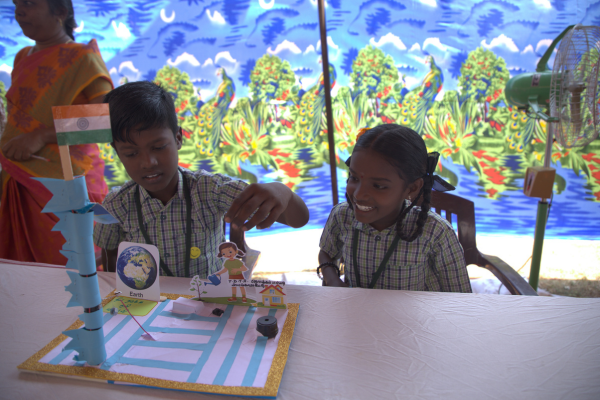
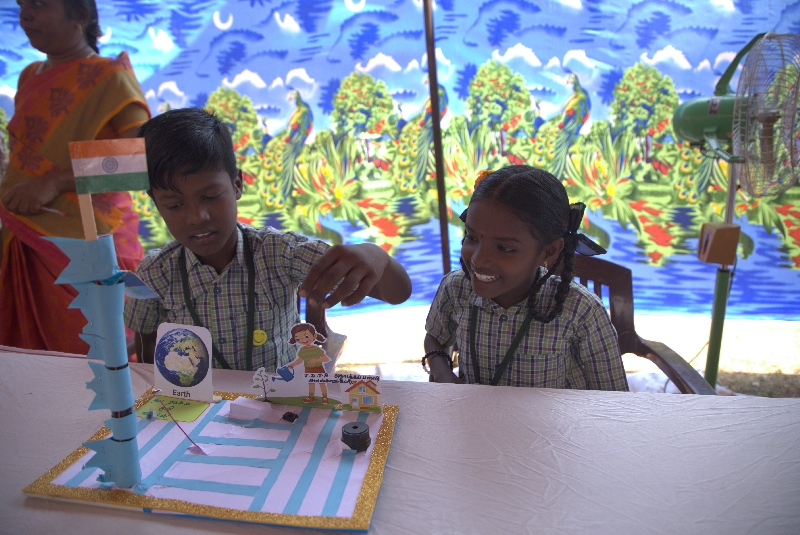
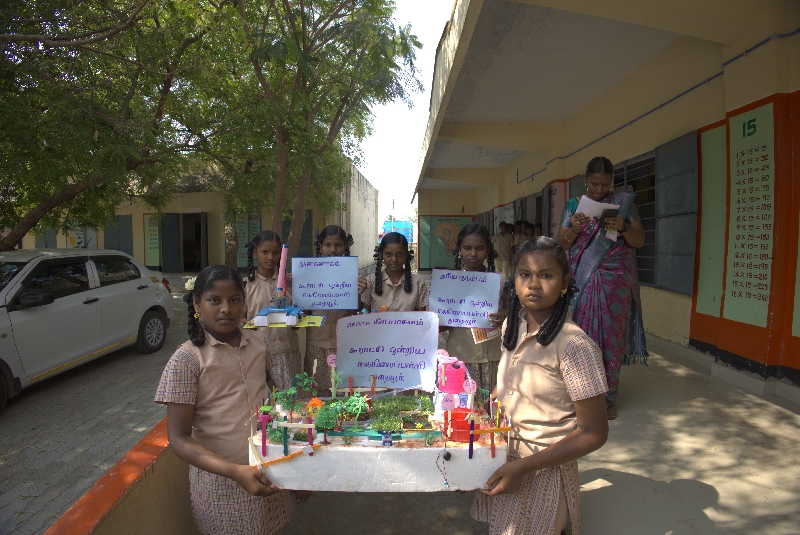
- Recognising the importance of future-ready skills, the programme supports STEM education through teacher training, mini science centres, and digital learning platforms. Students are also exposed to hands-on learning experiences and educational exposure visits.
- Older students are supported through structured career counselling programmes, including psychometric assessments, goal-setting sessions, and exposure to various career pathways, enabling them to make informed decisions about their future.