

THE NEED
According to the Emergency Events Database (EM-DAT), 387 natural disasters were recorded globally in 2022 alone, affecting 185 million people and causing over 30,000 deaths.
India is particularly vulnerable to climate-related disasters such as floods, cyclones, droughts, landslides, and extreme heat events. These disasters often disproportionately impact low-income communities, where housing, infrastructure, and access to emergency services remain limited.
Beyond the immediate loss of life and property, disasters often create long-term challenges for health, education, and livelihoods. Families may lose homes, children may drop out of school, and small businesses may collapse, pushing already vulnerable households deeper into poverty.
Effective disaster management therefore requires rapid emergency response combined with sustained rehabilitation and preparedness efforts that help communities rebuild stronger and reduce vulnerability to future crises.
SOLUTION
United Way Mumbai adopts a three-phase disaster management approach that addresses immediate relief needs while supporting recovery and long-term resilience.
Effective disaster response requires speed, coordination, and sustained support. By partnering with United Way Mumbai, corporates and philanthropic organisations can play a crucial role in supporting emergency relief, rehabilitation, and disaster resilience programmes.
Your support can help:
- Deliver rapid humanitarian assistance to disaster-affected communities
- Provide essential relief supplies and safe shelter during emergencies
- Restore health services, infrastructure, and livelihoods after disasters
- Strengthen community preparedness and resilience to future climate risks
Together, we can help disaster-affected communities recover faster and rebuild stronger for the future.
- During the critical aftermath of a disaster, the priority is to ensure rapid access to essential supplies and safe shelter.
- United Way Mumbai works with local authorities and partner organisations to conduct rapid needs assessments in the worst-affected areas and mobilise emergency assistance accordingly.
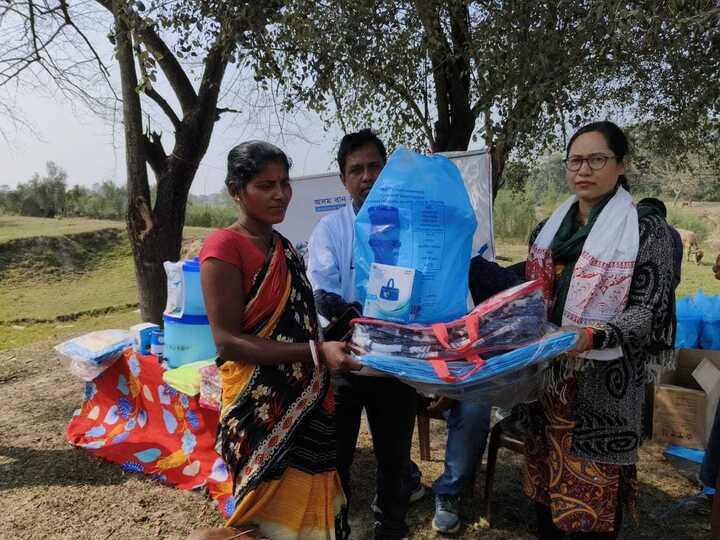
- Relief support may include ration kits, hygiene kits, safe drinking water, temporary shelter support, and other essential supplies that help families stabilise during the immediate crisis.
- United Way Mumbai works with local authorities and partner organisations to conduct rapid needs assessments in the worst-affected areas and mobilise emergency assistance accordingly.
- Relief support may include ration kits, hygiene kits, safe drinking water, temporary shelter support, and other essential supplies that help families stabilise during the immediate crisis.
- As communities begin transitioning out of emergency conditions, the focus shifts to restoring access to basic services and preventing secondary crises such as disease outbreaks.
- United Way Mumbai facilitates health camps, medical consultations, and access to essential medicines for affected families. Transitional shelter support and community-level assistance help families safely return home and begin rebuilding their daily lives.
- United Way Mumbai facilitates health camps, medical consultations, and access to essential medicines for affected families. Transitional shelter support and community-level assistance help families safely return home and begin rebuilding their daily lives.
- Disaster recovery extends well beyond the initial response phase. United Way Mumbai supports long-term rebuilding and resilience efforts that help communities recover sustainably.
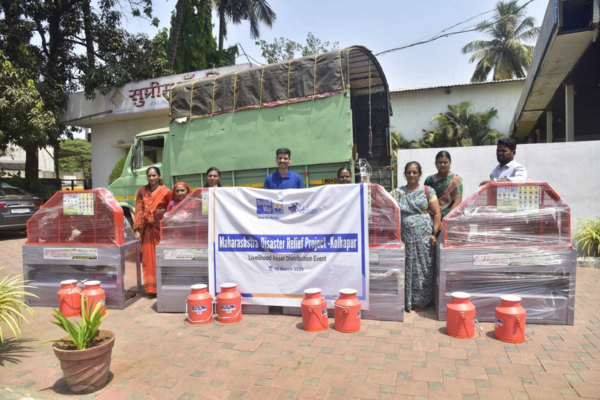
- These efforts may include reconstruction of homes, schools, and community infrastructure, restoration of livelihood opportunities, and strengthening community-level disaster preparedness systems.
- The focus is on building back better, ensuring that restored infrastructure and community systems are more resilient to future disasters.
- These efforts may include reconstruction of homes, schools, and community infrastructure, restoration of livelihood opportunities, and strengthening community-level disaster preparedness systems.
- The focus is on building back better, ensuring that restored infrastructure and community systems are more resilient to future disasters.
.jpeg)